
- International Gathering for Deepdene Plaque Unveiling
- TUNNELLING BACK INTO 85 YEARS OF SUPERMARINE HISTORY
Posted on Facebook by Alan Matlock – 6th April 2025
International Gathering for Deepdene Plaque Unveiling
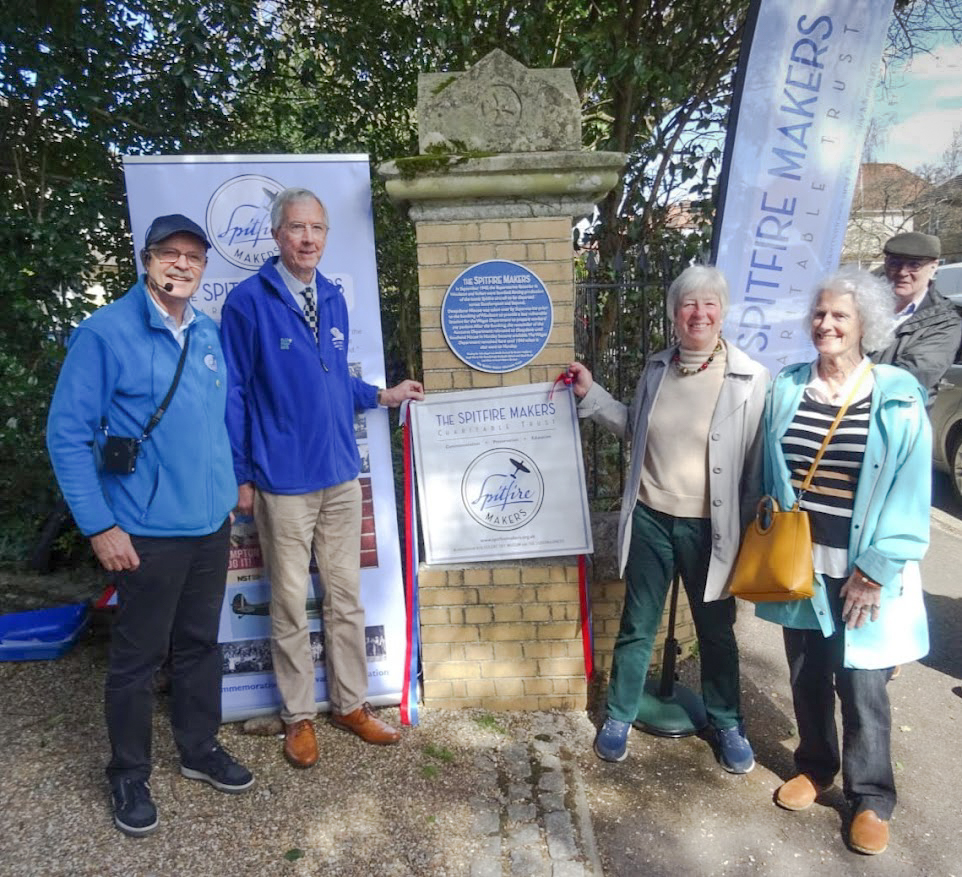
The Spitfire Makers Charitable Trust have unveiled another of their commemorative blue plaques in the city.
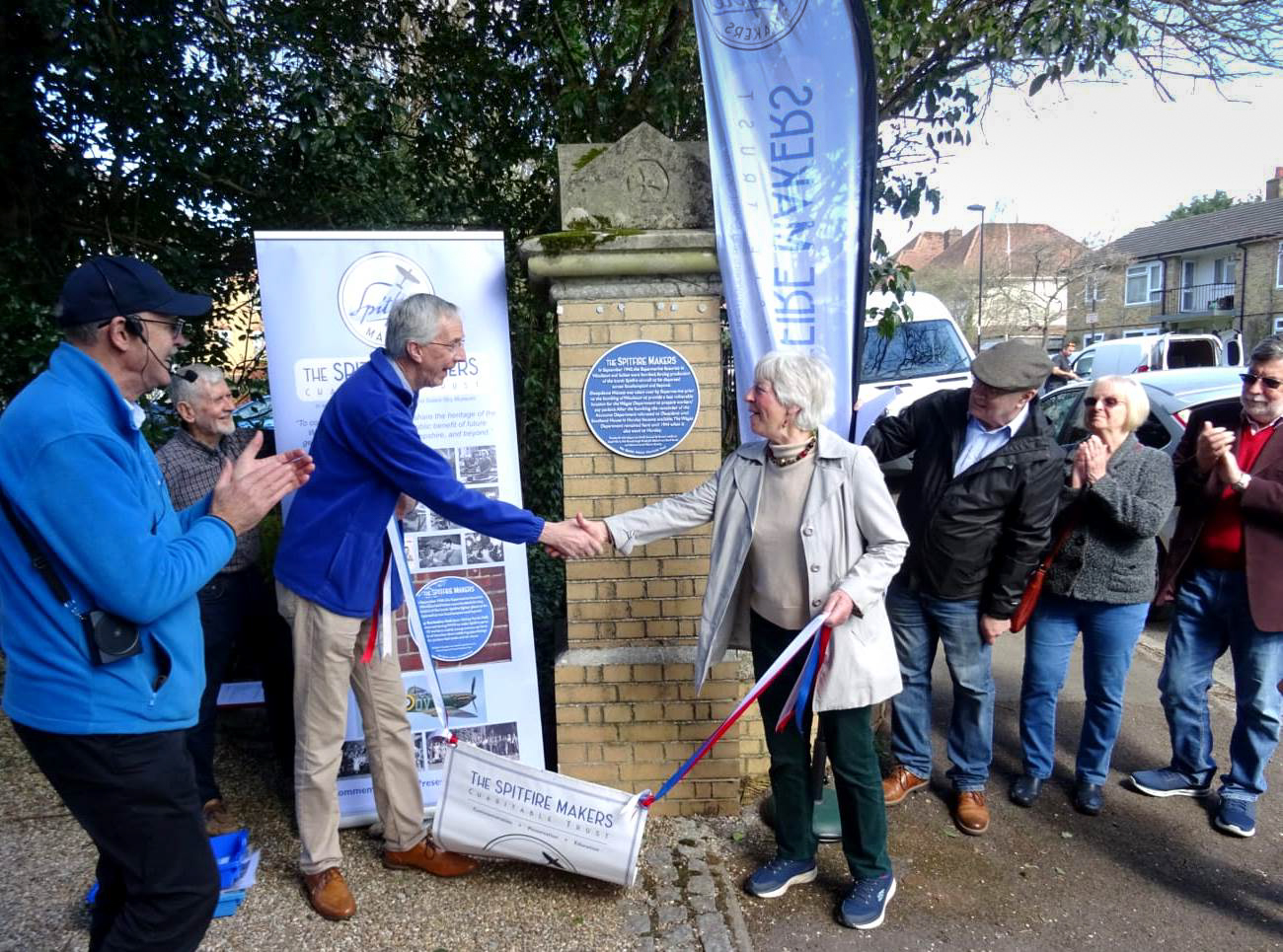
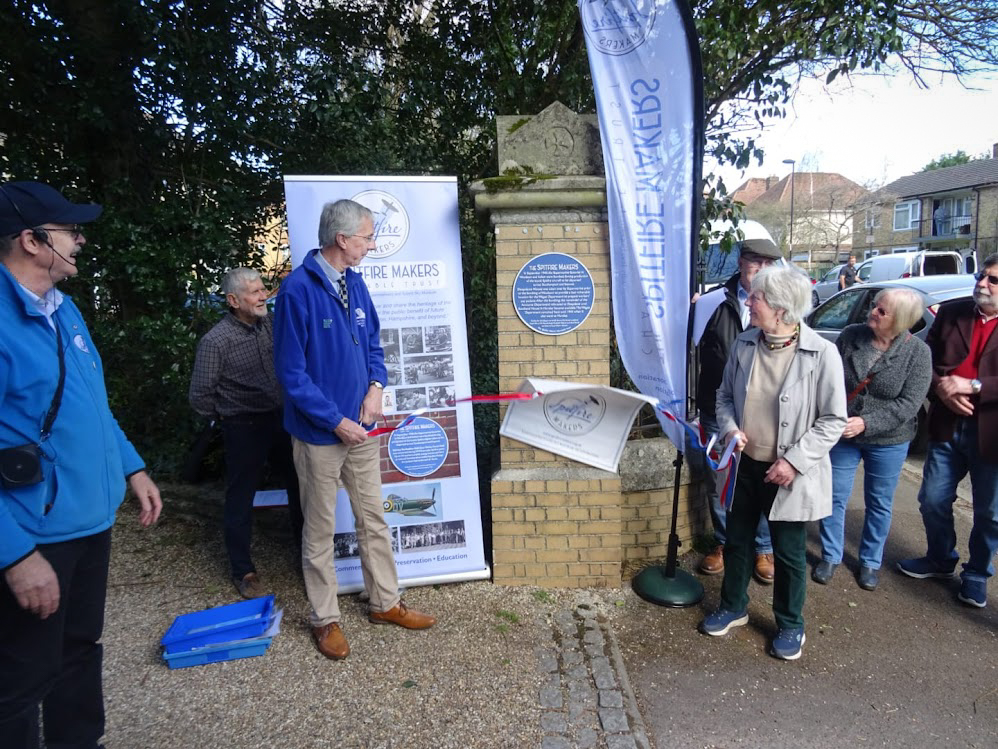
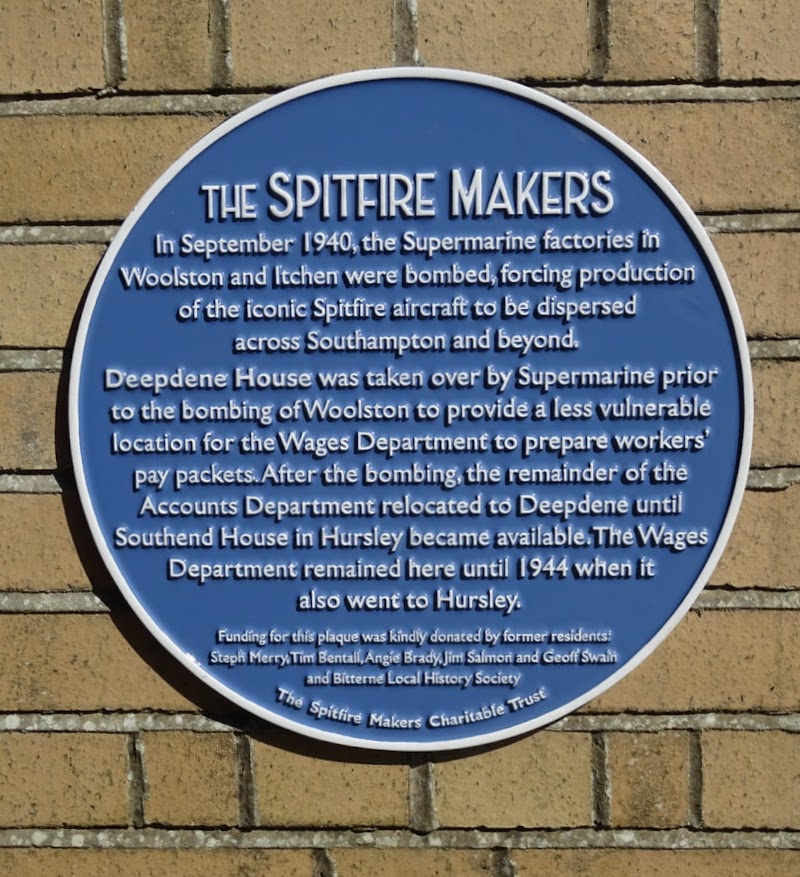
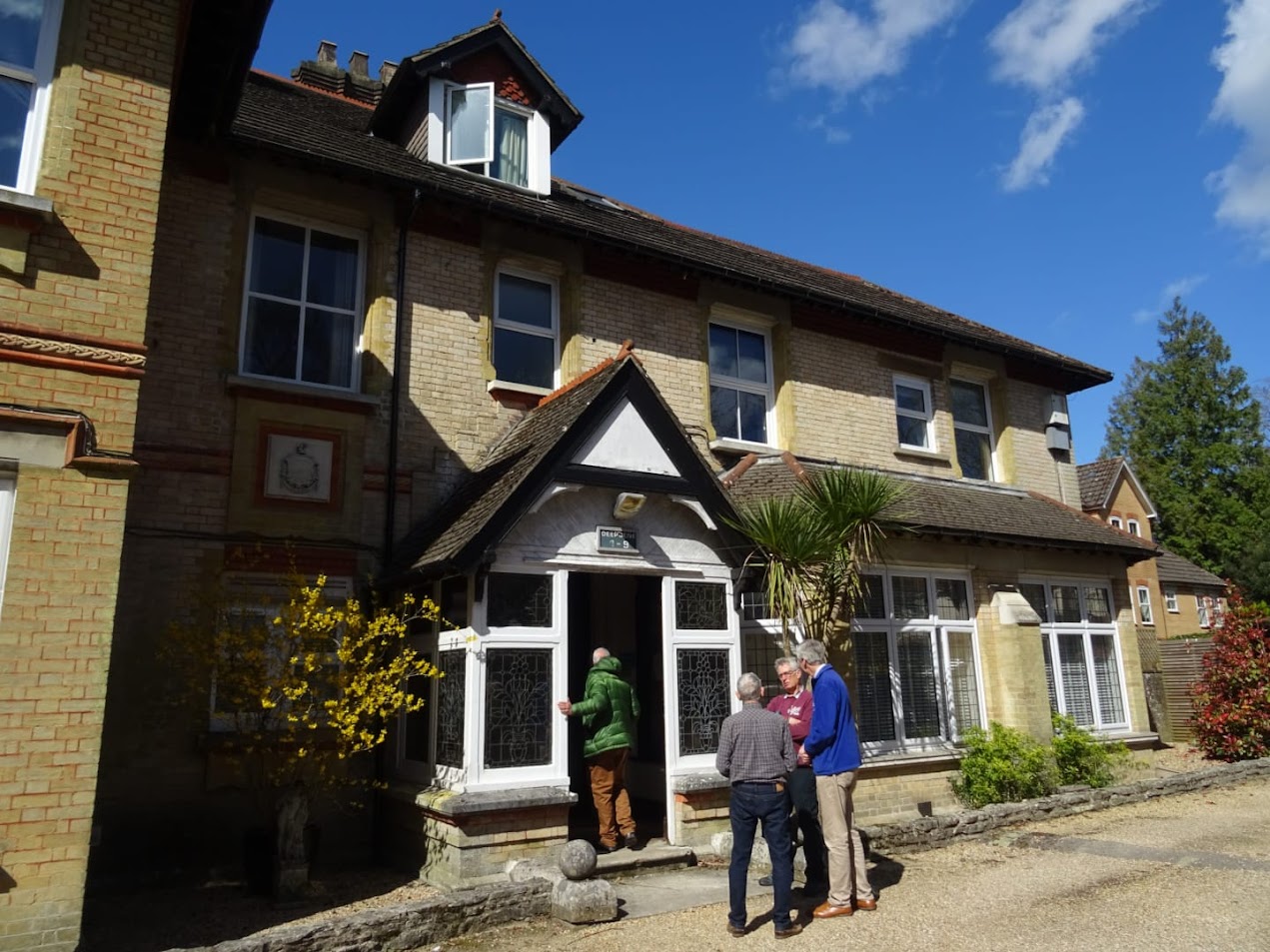
It has been placed at the entrance to Deepdene House in Midanbury Lane, Bitterne. Taken over completely after the bombing of the factories in September 1940, the house was a safer location for the workers’ pay packets to be made up. Some of the wages department moved out to Hursley when Southend House became available there, but others remained at Deepdene.
We are grateful for the sponsorship of this plaque, the 14th to be unveiled, which was donated by the Bitterne Local History Society (they now have a link to the plaque on their website’s interactive map – https://bitterne.net/blhs…/spitfire-makers-plaque/) and five former residents who shared a flat in Deepdene in the 1970s, when they were studying at The University of Southampton.
The flatmates flew in from far and wide, including Texas and Vancouver, for a 50-years-on reunion and were joined by members of Bitterne Local History Society, family members of some of the original workers. The unveiling itself was carried out by Steph Merry, representing the former residents, and Ian Abrahams, secretary of the BLHS.
One of the family members said, “I was greatly moved by knowing that my Mum used to worķ there. I know she would have been proud and had a feeling she was looking over my shoulder when looking in the building.”
Spitfire Makers Chair, Alan Matlock, outlined some of the background to the house, first built in the 1850s becoming the family home of Sir Henry Milner-White JP, a director of Southern Railways. His son, Eric, was Dean of King’s College, Cambridge, where he began the tradition of the Christmas Eve service of Nine Lessons and Carols. Eric was a keen collector of art and ceramics. He gave one of the paintings, La Ronde Enfantine (c.1862), by the French Realist painter Gustave Courbet, to the Fitzwilliam Museum and it has recently been returned to the French family it was stolen from by the Nazis. It shows a group of children in woodland and it may well have reminded Eric of his childhood in the grounds of Deepdene, now a park, which his mother left to “the children of Bitterne”. Eric gave his collection of ceramics to Southampton Art Gallery.
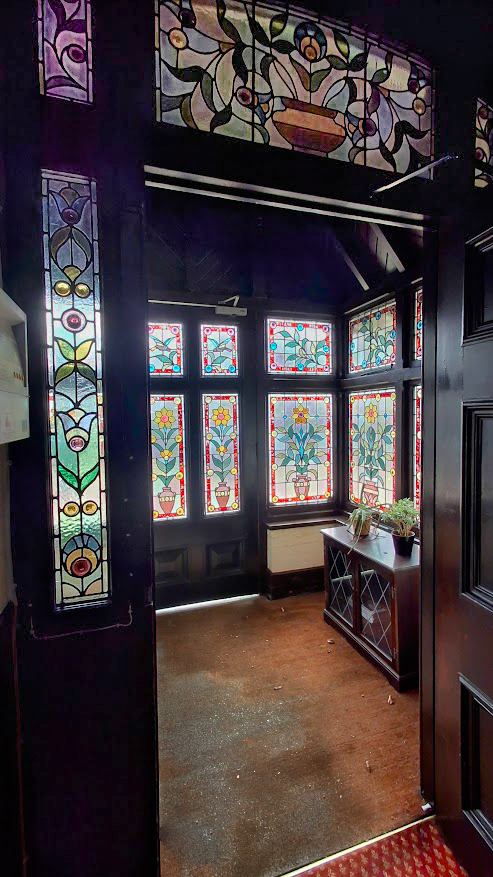
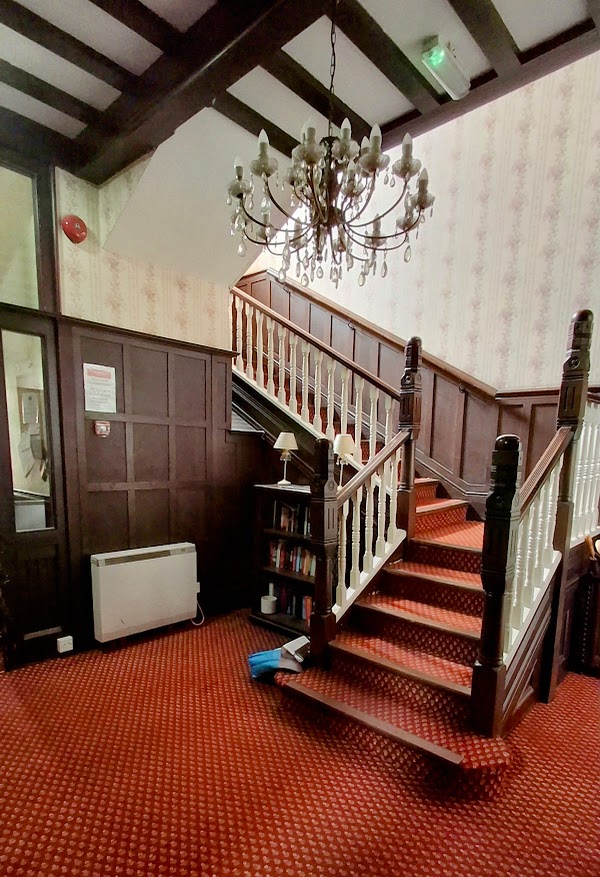
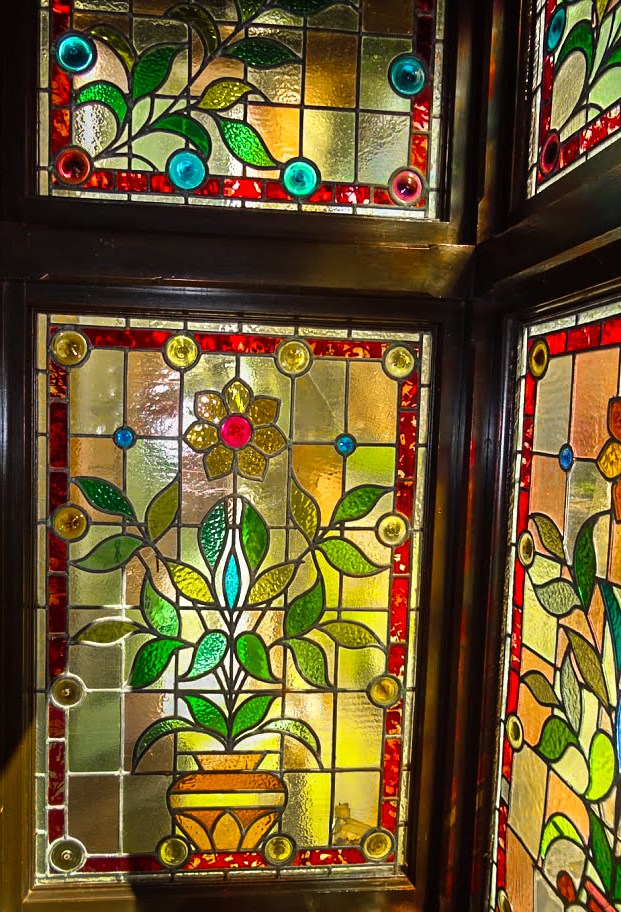
After the unveiling, by arrangement with two of the current tenants, guests were able to look inside the ground floor of the house. The rather grand entrance hall was not so appealing in the harsh winter of 1940. A worker wrote in her diary, “Deepdene was a cold house with no central heating and at first we worked in a large entrance hall with a small smoky fire. I was always cold.”
We had a lovely warm, sunny day for the unveiling and we would like to thank the Bitterne Men’s Shed team for doing a great job with the installation of the plaque and the generous donation to Trust funds that the former students collected at their reunion lunch afterwards
The Bitterne Shed Club – https://sites.google.com/view/bitterneshedclub/home – are awaiting our instructions for placing the next dozen or so plaques. These are funded but can’t be ordered until we get permission from the owners of the various locations around Woolston.
Watch this space!

(Photos courtesy Spitfire Makers team and the Fitzwilliam Museum, creative commons licence.)

Posted on Facebook by Alan Matlock – 24th April 2025
TUNNELLING BACK INTO 85 YEARS OF SUPERMARINE HISTORY
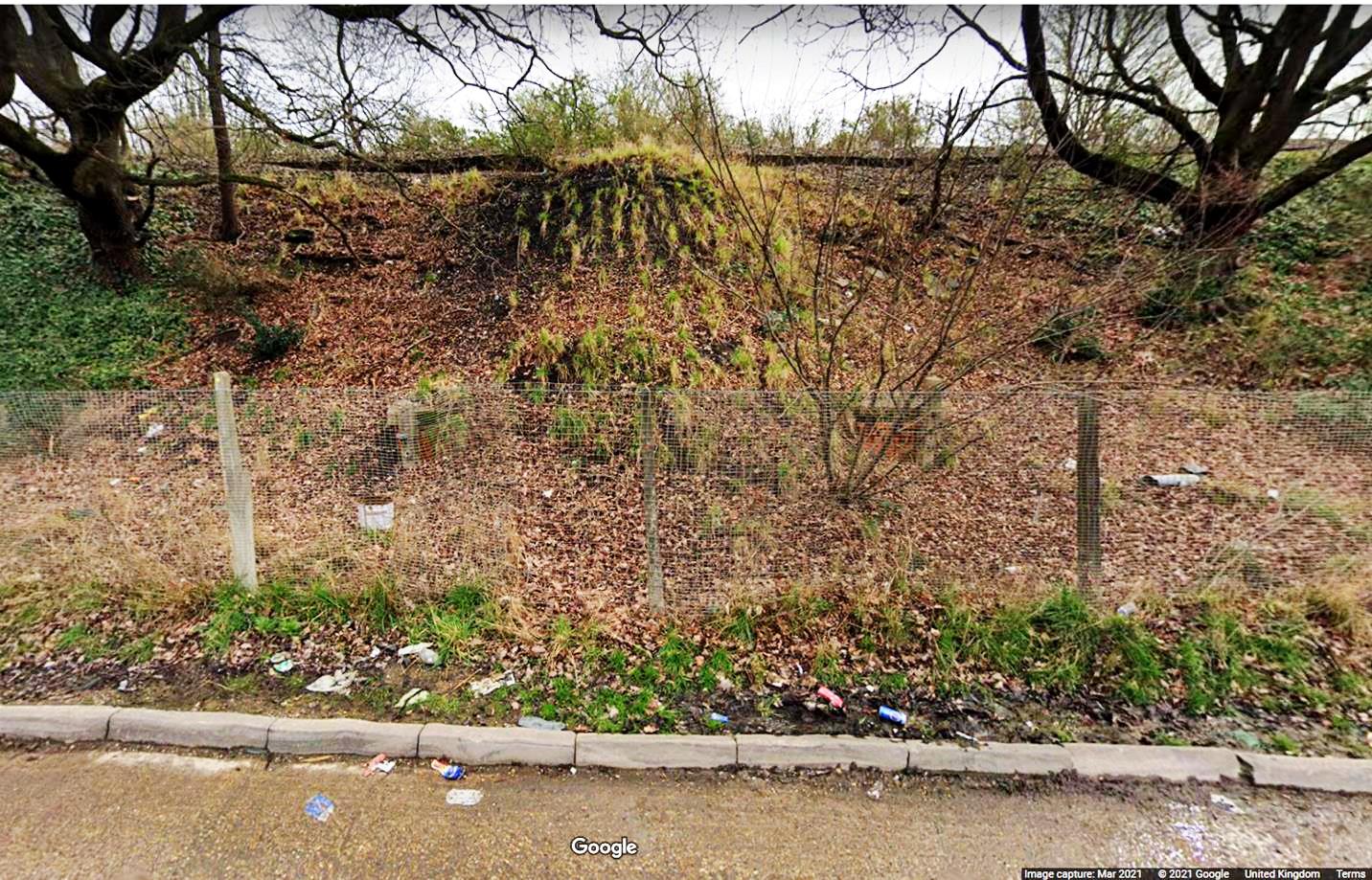
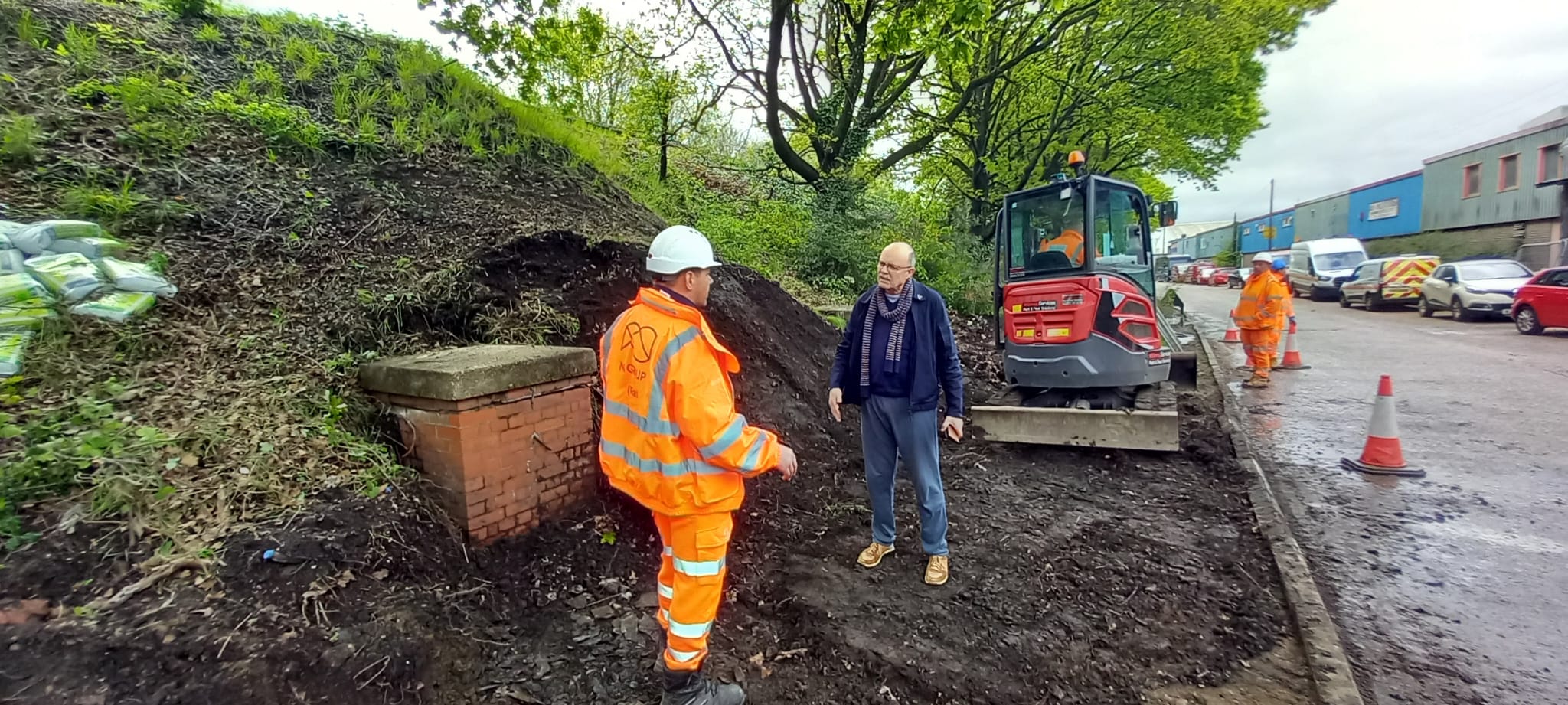
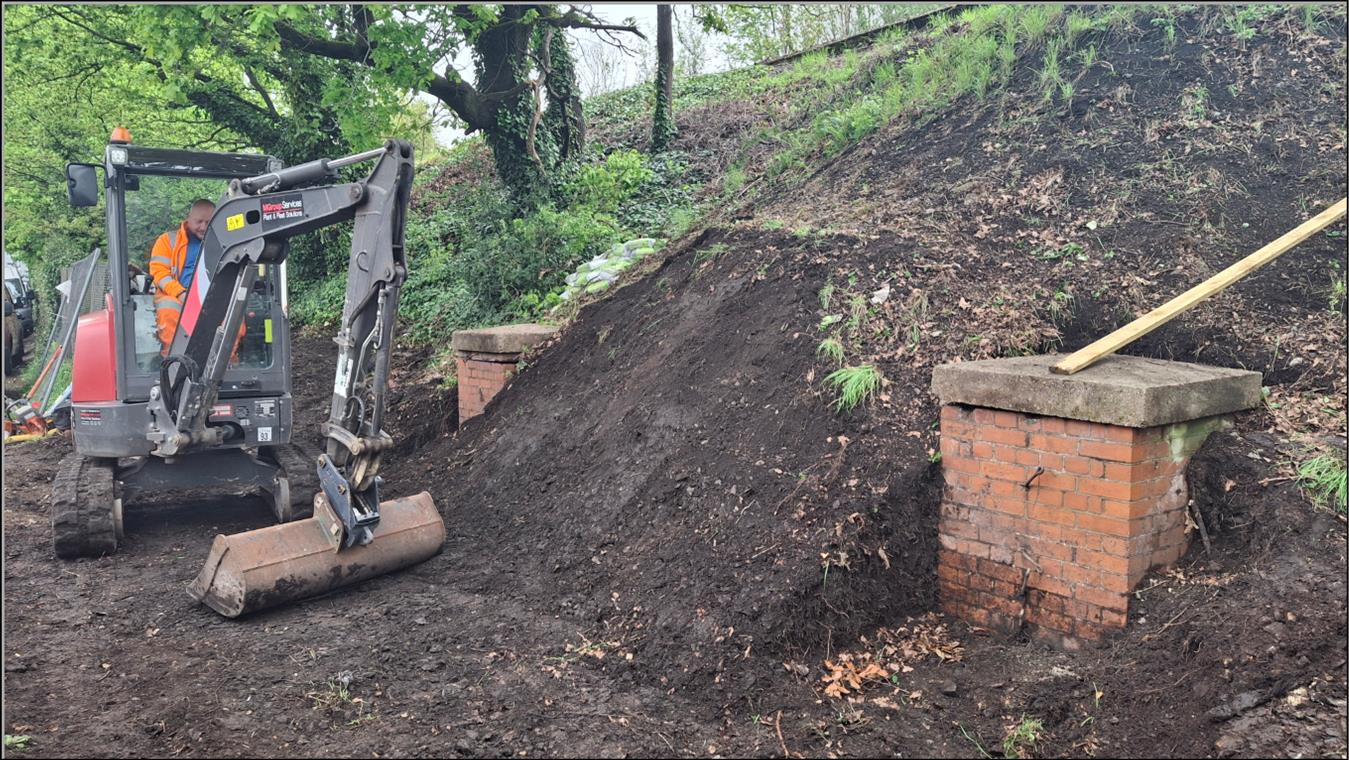
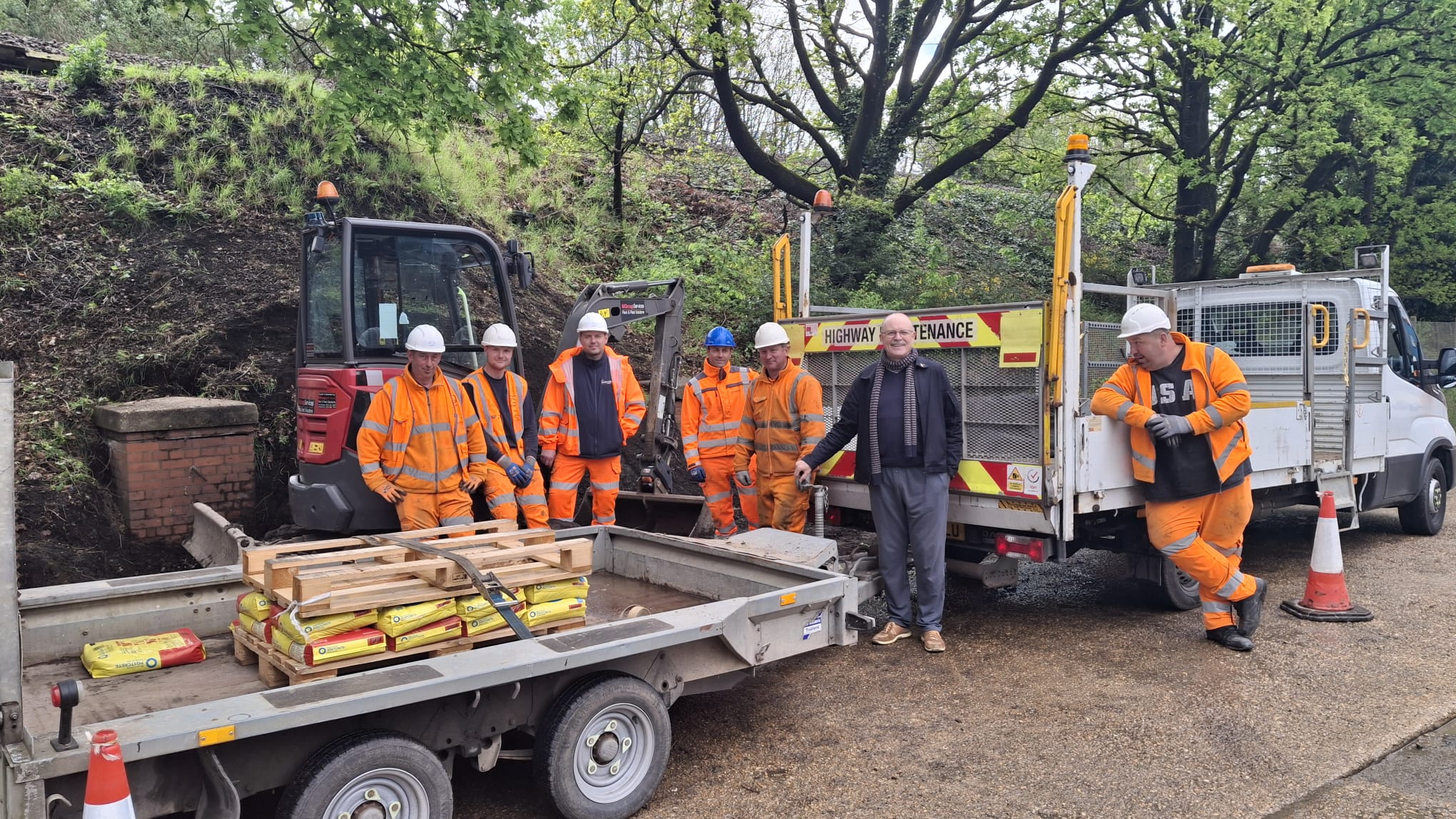
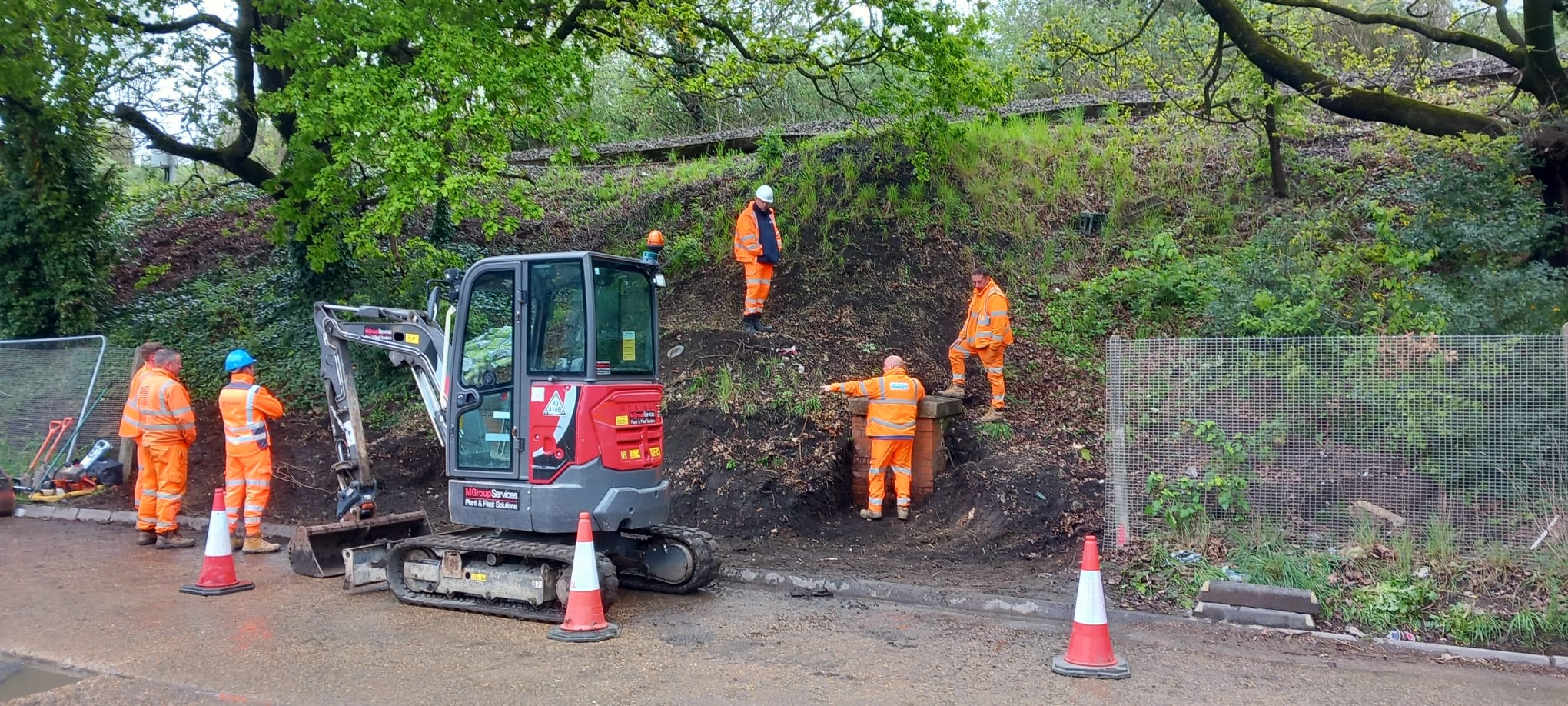
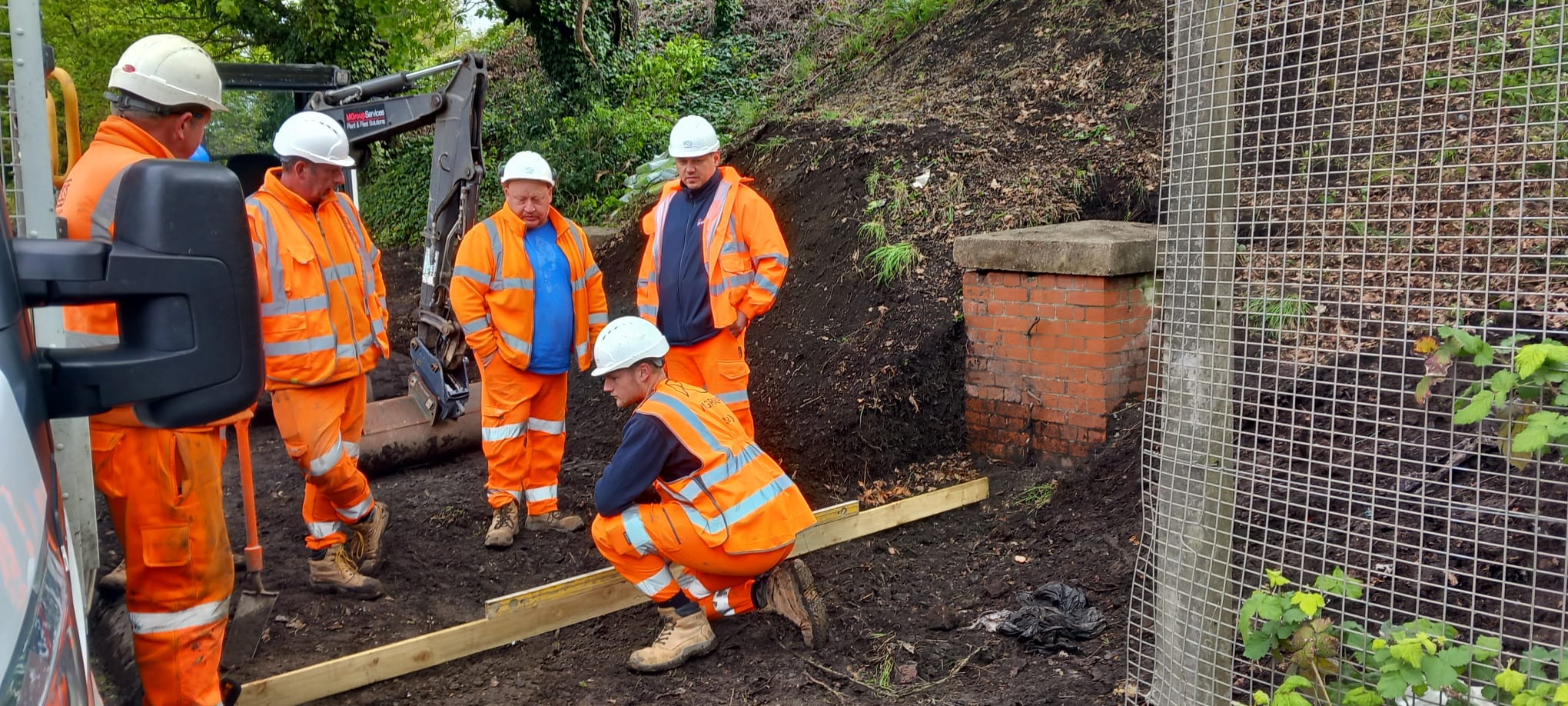
We are delighted to see the work being carried out by M Group engineers for Network Rail at the long-blocked entrance to the pedestrian tunnel under the railway embankment on Hazel Road.
As part of the next phase of our project, they kindly gave us permission to place one of our blue plaques at the site but have also agreed to make a safe, level area of access to the entrance to the tunnel where many Supermarine workers died in the bombing of September 1940. Work began on Tuesday this week and they expect to be there until Friday.
The narrow tunnel under the tracks was the main pedestrian access to the company’s air raid shelters that had been built, mostly above ground, in the marshy ground at the bottom of Pear Tree Green.
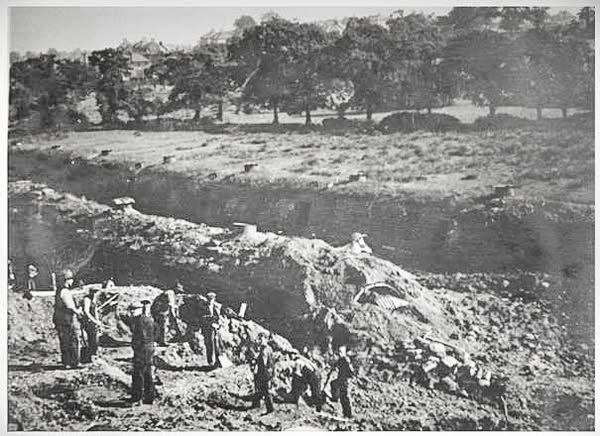
On Tuesday afternoon, 24th September 1940, with a raid underway, hundreds were making their way through the tunnel from the Itchen Works. Bombs fell short of the factory they had just left and there were casualties when the shelters took a direct hit and others were killed in the tunnel.
We have been given funding to place a commemorative plaque at the tunnel from the son of one of Supermarine’s first aiders, Charles George Jupe, who arrived to find, “the rescue parties were busy trying to dig out people buried under tons of earth…I never saw anyone brought out alive, and I never used my first aid kit.”
In his account, Denis Webb, a Supermarine manager, said, “…it became clear that if the workforce had stayed in the Works and not run for the shelters, they would all have survived. No bomb landed in the actual works that day.”
In addition to the blue plaque, and in consultation with The Supermariners – https://supermariners.wordpress.com/…/remembering-the…/ we are planning a Roll of Honour to be installed, listing all the known Supermarine workers who were killed, or died later, as a result of the bombing on the 24th and when the bombers returned two days later. We are looking into adding the names of some railway workers who also died nearby.
Among the casualties on the 24th was the only woman Supermarine worker to die, Margaret (Peggy) Moon. You can read her tragic story here: https://supermariners.wordpress.com/…/moon-margaret-annie/
and here: https://spitfiremakers.org.uk/…/the-spitfire-makers…/…
Towards the end of his well-known speech just a month before, in August 1940, when he commended “the Few”, Churchill added, “The front line runs through the factories. The workmen are soldiers with different weapons, but the same courage.”
Along with these two plaques at the tunnel, we are working to create a Woolston Spitfire Trail with an information board and a further six plaques along Hazel Road to commemorate all the Supermarine production sites and those who became Spitfire Makers in them.
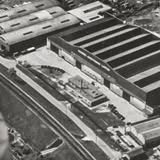
Photos show an aerial view of the Itchen Works and the tunnel in the late 1930s, the aftermath of the bombing, the tunnel site prior to work by Network Rail, and this week’s work in progress when chair, Alan Matlock, and project team member, Robert Stidworthy, visited the site.
Photos by Robert Stidworthy – The Spitfire Makers Charitable Trust
 The Spitfire Makers Charitable Trust