
- Charles Henry Palmer (d. Sept 1940)
- Kenneth James Park (d. Sept 1940)
- Charles Paul
- Leslie F Pearce
- Phillip Pearce
- Frances Marion Penton
- Alfred Charles Petts (d. Sept 1940)
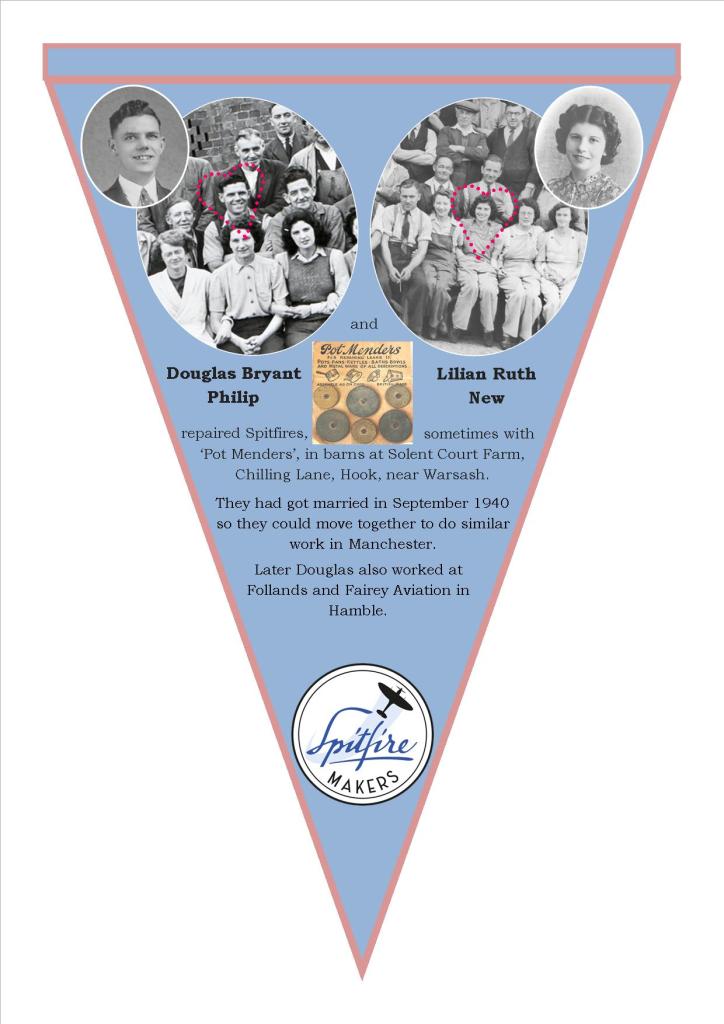
- Douglas Bryant Philip and Lilian Ruth New
- Frederick George Phillips (George)
- Roland Astor (Ronnie) Phillips (d. Sept 1940)
- Harry Arthur Pickett (d. Sept 1940) and Phyllis Emma Bovell
- Harry Benjamin Pickett
- Charles John Patrick Pointer – 1910-1980
- Herbert Edward Price (d. Sept 1940)
- W Pritchard (d. 11 Sept 1940)
- Daisy Snelling and Reginald Ralph
- Dorothy Rawlings nee Roberts
- Edward Reeves (d. Sept 1940)
- C T Rhind-Tutt (d. 11 Sept 1940)
- K Ripley (d. 11 Sept 1940)
- J M Rogers (d. 11 Sept 1940)
- Harry Rule – Sun Engineering Company Ltd
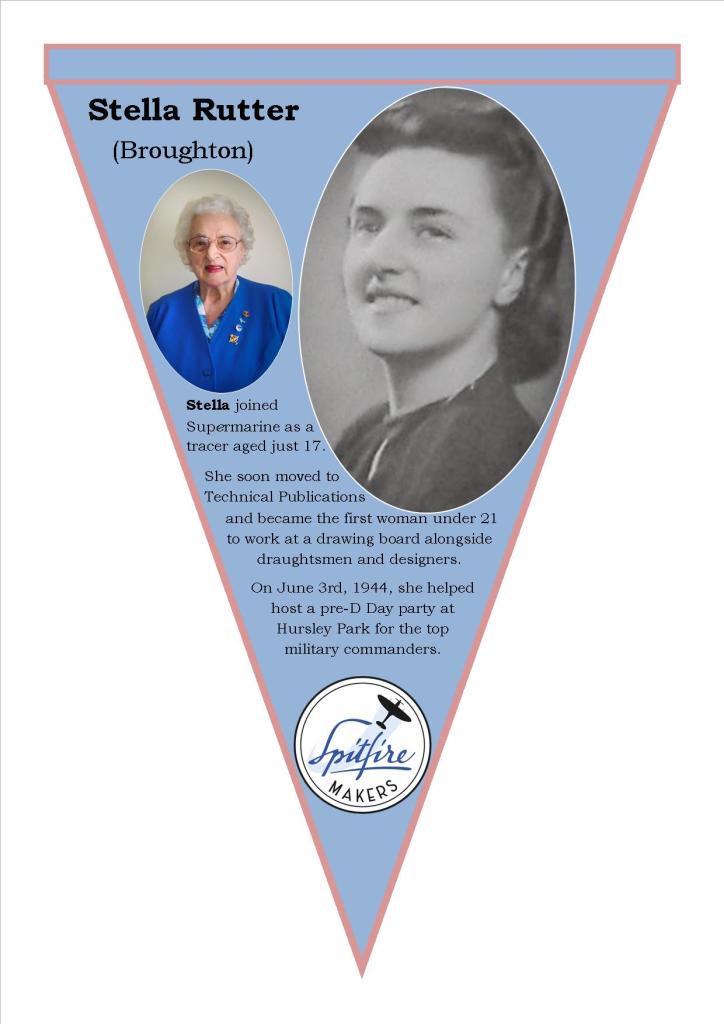
- Stella Rutter (Broughton)
- Gilbert Ryder (d. Sept 1940)
Charles Henry Palmer (d. Sept 1940)

Image courtesy of The Supermariners and The Spitfire Makers Charitable Trust
Charles was a Locomotive Steam Crane Driver who may have been working on the railway track close to the Supermarine Works. He was 48 years of age when he was killed in the bombing raid on the 26th September 1940. As we have been unable to locate Charles’ grave, floral tributes for him have been placed on the Commonwealth War Graves Memorial in Hollybrook Cemetery, Southampton.

Kenneth James Park (d. Sept 1940)
Image courtesy of The Supermariners and The Spitfire Makers Charitable Trust
Kenneth was an Apprentice at Supermarine. He was 17 years of age when he was killed in the bombing raid on the 26th September 1940. As we have been unable to locate Kenneth’s grave, floral tributes for him have been placed on the Commonwealth War Graves Memorial in Hollybrook Cemetery, Southampton.
Charles Paul
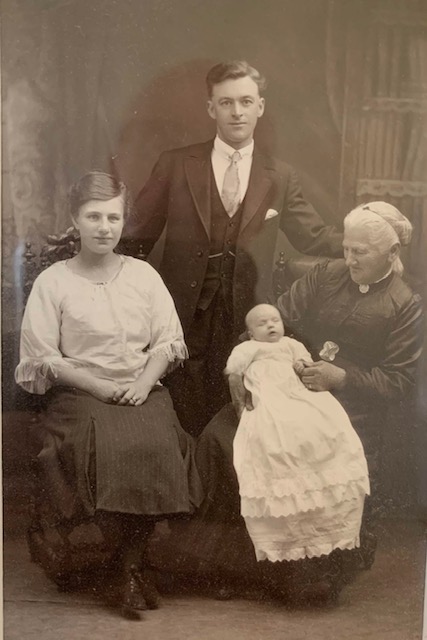
Image and information courtesy of Michael Bainger – Grandson of Charles and son of Sylvia
Charles and Beatrice Paul, with his mother holding their daughter, Sylvia, in 1922.
Charles was an electrician at Supermarine and was cycling home along Peartree Avenue when the sirens were sounded for one of the September 1940 raids. He didn’t believe his bike was capable of the speed achieved that day. He had served in WW1 and didn’t appreciate being machine gunned again!
Leslie F Pearce
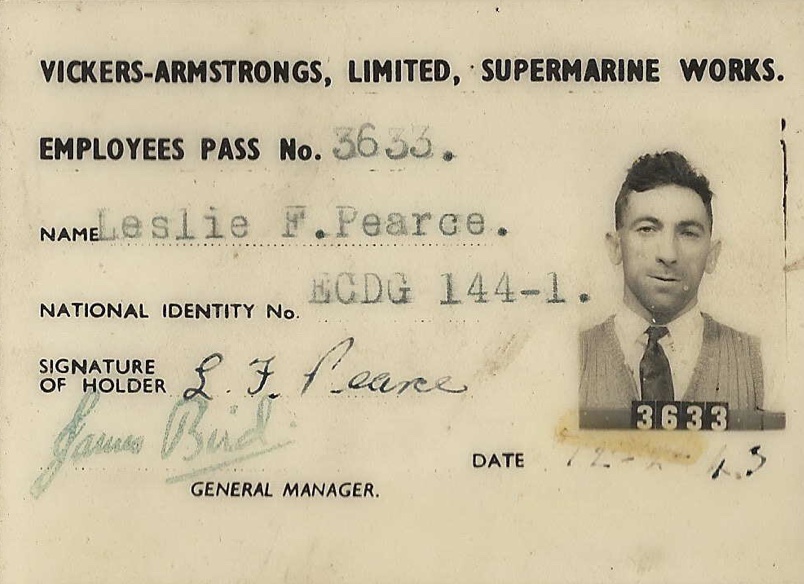
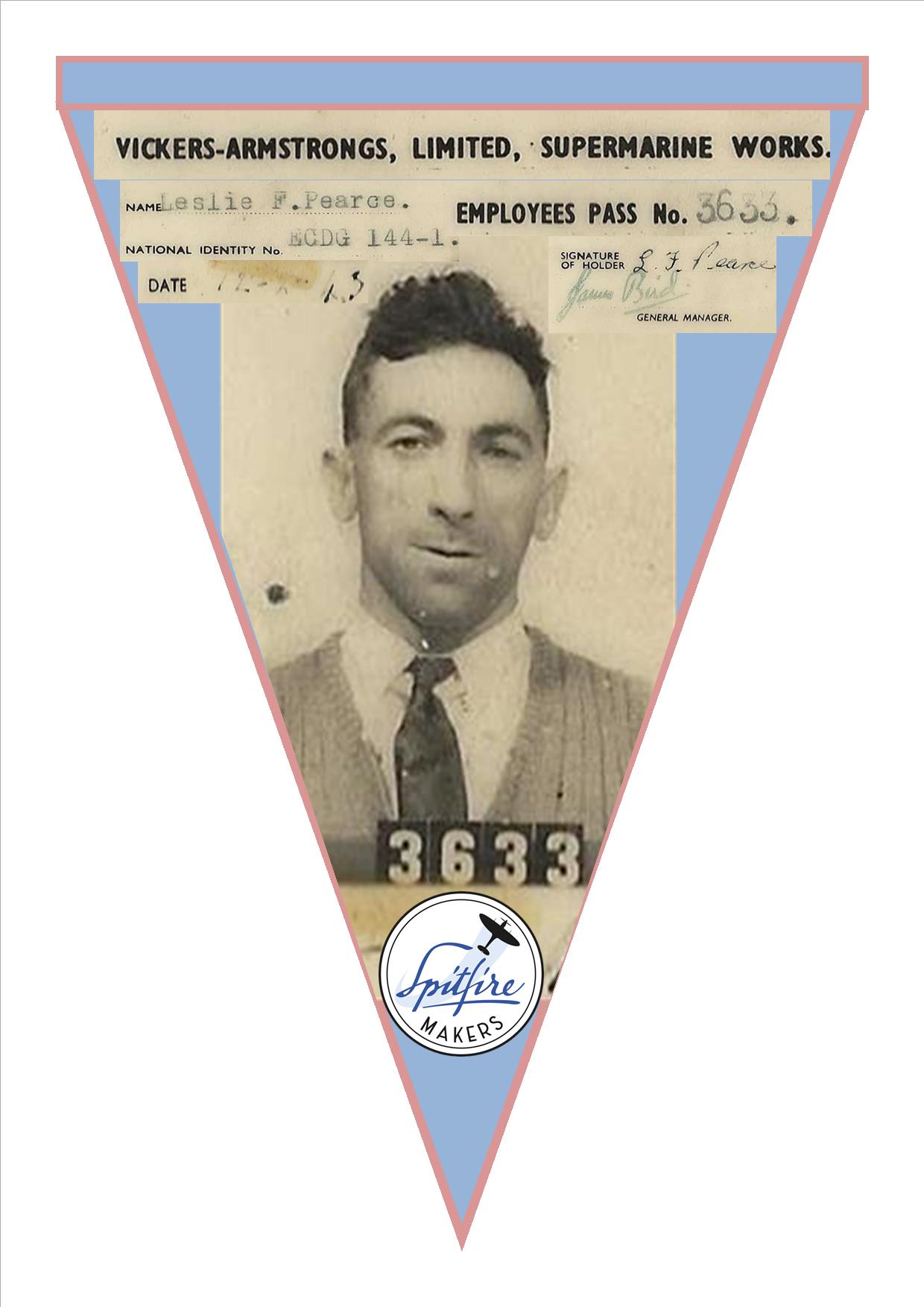
Phillip Pearce
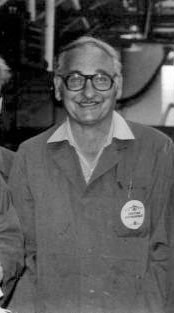
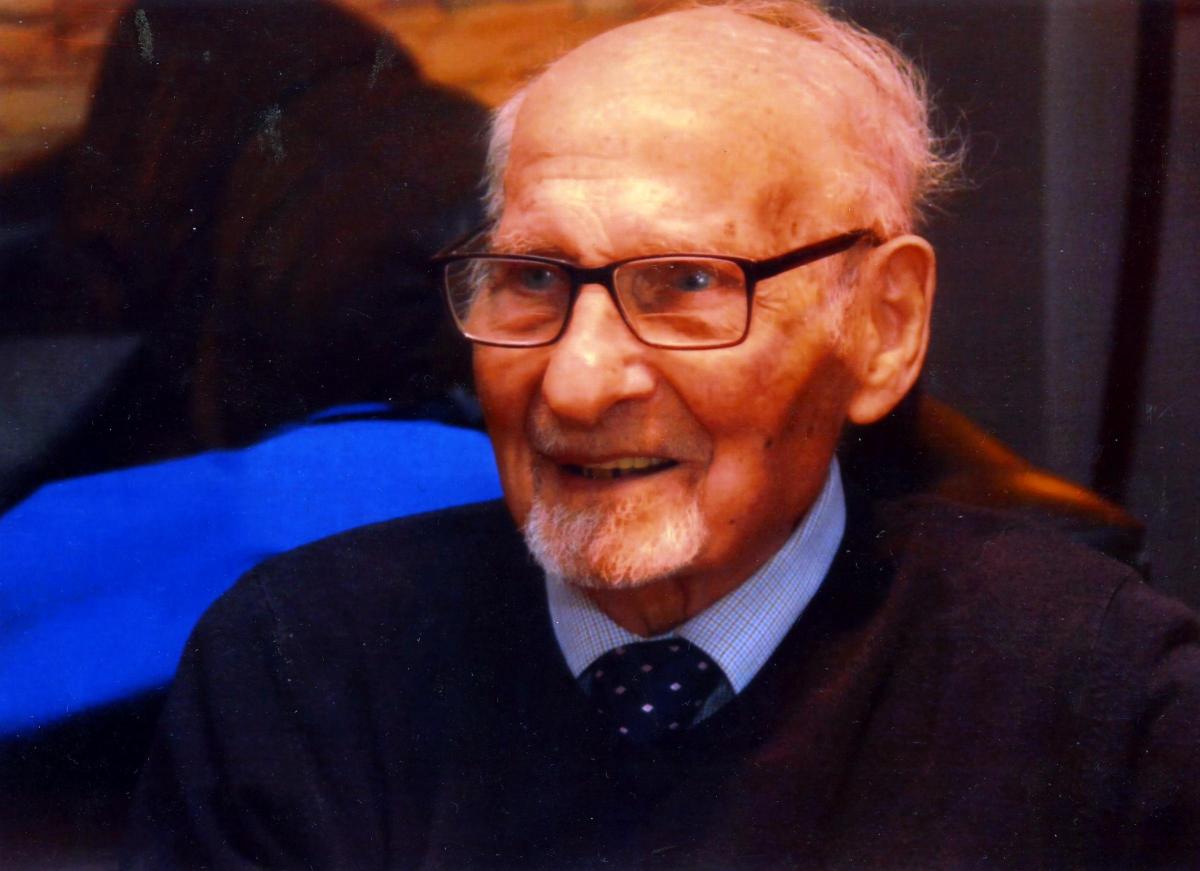
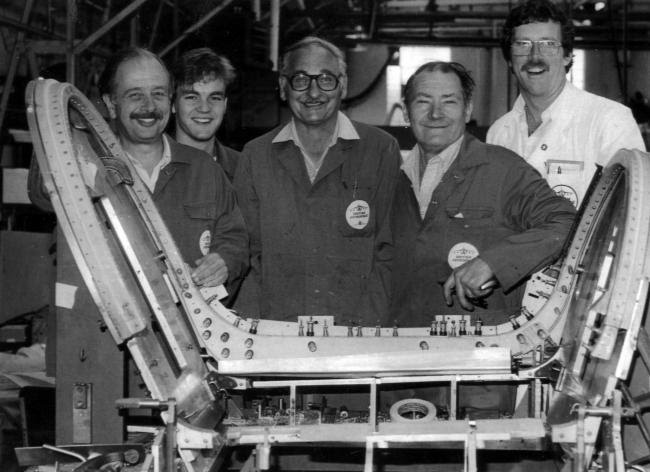
Images courtesy of the Pearce family
Philip Pearce left school at 14 and became a Supermarine apprentice in 1936.
He survived the first bombing raid by sheltering under a large press in the Woolston factory. He was then machine-gunned by a returning bomber on Itchen Ferry beach.
After the war he continued working for Follands in Hamble, making fuel tanks for the Gnat jet.
Frances Marion Penton
Frances worked for Supermarine and after the dispersal was in charge of the Austin House Garage in The Avenue in Southampton. This was the only dispersal location with a woman in charge.
The garage carried out training and, with mainly women workers, initially became the Dope Shop, covering the ailerons and rudder of the Spitfire fighter with treated canvas. They also bullet-proofed fuel tanks with self-sealing compounds, produced wing leading edges and had a finished parts store.
Frances was also responsible for the welfare of all of Supermarine’s female workforce and was awarded the British Empire Medal in 1943 for her service.
Alfred Charles Petts (d. Sept 1940)
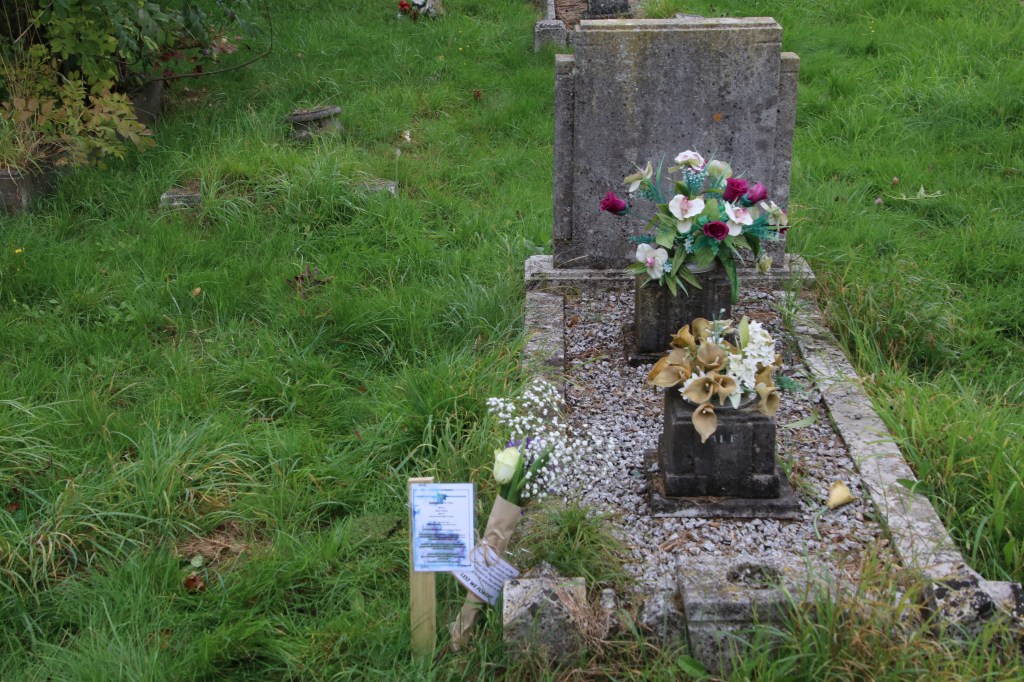
Image courtesy of The Supermariners and The Spitfire Makers Charitable Trust
Alfred was an Aircraft Sheet Metal Worker at Supermarine. He was 22 years of age when he was killed in the bombing raid on the 24th September 1940. Alfred is buried in St Mary Extra Cemetery, Southampton.
Douglas Bryant Philip and Lilian Ruth New
Frederick George Phillips (George)
From his daughter Sue Cooney……..
Most of this information was told to me by my Mum. Dad didn’t talk about his time at Vickers Supermarine very much maybe because of the terrible memories of when the spitfire factories at Woolston and Itchen were bombed in September 1940 and many workers were killed.
My Dad, Frederick George Phillips, known as George, moved from Idless, a small village near Truro, Cornwall, to Southampton in about 1937 to work at the Vickers Supermarine aircraft factory at Woolston, initially working on flying boats then later, on Spitfires.
He had left school at 14 and was a farm labourer with no formal training but got the job with Vickers by convincing the interviewers that he had the skills and experience to be an aircraft fitter. He taught himself the ‘tools of the trade’ with ‘help’ from his fellow workers e.g. he would go into the stores looking for parts and ask others where these parts were located (he didn’t actually know what he was looking for) — they would point to the parts and when they had left the store, Dad would put his own mark on the rack so that he would know where to find them the next time. He was a very resourceful man and natural craftsman.
Dad moved to Southampton as he and my Mum (Millicent Olive Truscott — known as Olive but nicknamed ‘Dick’) wanted to get married but knew that they would not be able to set up a home on the wages of a farm labourer. Mum was a cashier in a family run department store in Truro but in those days a wife did not work. Mum’s sister’s husband, Charles Mora, was already employed at the Vickers Supermarine, Woolston, aircraft factory as an inspector and it was he who told Mum and Dad that the factory were recruiting staff.
Mum and Dad got married on September 17th, 1938 in Sholing Parish Church (St Mary’s). Their first home was 10, Luton Road, Sholing as recorded on the 1939 registration. Dad is listed as an aircraft fitter.
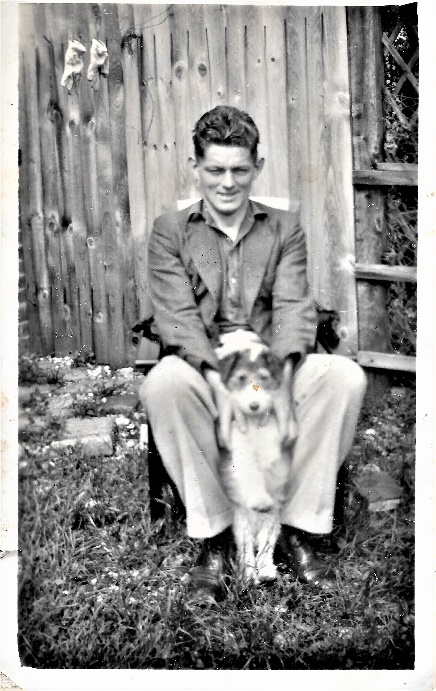
Dad at Sholing Southampton 1939
By the outbreak of WW2, Dad was an experienced and well-respected aircraft fitter working on the Spitfire production line. He worked on the wings and later fitted the guns into the wings.
Dad did say that he etched his initials on the underside of one of the wings of every Spitfire he helped construct (as many workers did apparently, although they weren’t supposed to do so). When we went to an exhibition of aircraft many years ago there was a reconditioned Spitfire on display and to Dad’s and our delight, he found his initials where he had scratch them some 50 years before!
Mum said, during the Battle of Britain Mum did not see Dad for days — the fitters simply stayed working at the factory and when they were tired, they slept on a bench, then, when rested, went back onto the production line again. I have never heard any public mention of this dedication and contribution to the Battle of Britain. We all commemorate the brave young pilots who fought in the Battle of Britain and quite rightly so but without the civilian men and women who built the aircraft there would not have been any planes to fly.
As everyone knows Southampton was a prime bombing target — not only because it was an important port but also because of the Spitfire factory.
Apparently, there were two air-raid sirens in the area around the Spitfire factory — the first for the civilians and the second for the factory. The factory was always a prime target for the bombers.
The Woolston and Itchen factories were bombed on 24 September 1940, and again on the 26 September 1940 with according to records, 55 killed and 92 injured.
There is a story about one of the air-raids on the factory. Apparently, Dad was a male first aider for the factory (he had been a member of the St John Ambulance Brigade for many years before WW2 and continued his service for many years after) and he and the female first aider had to check that the factory floor, toilets etc were evacuated before they headed for the shelter — so they were the last ‘men’ out.
On one occasion when they came out of the factory the bombs were already falling and their shelter door had been closed so they ran to a nearby bridge and sheltered under the arch. When the ‘all clear’ was sounded, Dad and the lady came out from under the bridge to find that the factory was not hit but there had been a direct hit on the shelter and many workers inside was killed. No doubt Dad and the lady helped in giving first aid to their fellow workers, but he never talked about it as it must have been an horrific scene.
It is also said that some of the machines on the ‘factory floor’ at Woolston where not damaged and were dismantled to be moved to other sites. Maybe Dad helped with this task.
After the Woolston factory was destroyed, Dad was moved to Salisbury where Spitfire assembly factories were set up mostly in commandeered garage premises – this is now known as the Secret Spitfire factories. It was decided to split up the assembly in parts with the final assembly elsewhere – less chance of complete aircraft manufacturing being wiped out by bombing.
It is said that the workers who were relocated to Salisbury, initially slept on the floor at Salisbury Cathedral. Later, Mum and Dad had a ‘Pre-Fab’ in Salisbury at 227 Essex Square.
Exactly which of the Secret Spitfire sites in Salisbury Dad worked in he never said but maybe this was because the necessary secrecy of the operation.
I found out that one of the final assembly sites was at Old Sarum. I expect the fitting of the guns into the wings would have been part of the final assembly so maybe Dad worked at Old Sarum – Mum often mentioned the village.
Dad continued to work at the Salisbury Spitfire sites until the end of WW2 when he and Mum and my young brother, who was born in 1941, returned to Cornwall. Dad became a motor mechanic and later a maintenance engineer for the buildings for a large local garage and continue to do so for the rest of his working life.
I don’t think Mum or Dad wanted to move back to Cornwall as the workers at Vickers Supermarine were well paid unlike the wages in Cornwall, however for personal reasons they did.
Dad remained great friends with a couple who also worked at Woolston – Ralph and Lil Macey. We often visited them in Southampton and they spent holidays with us in Cornwall.
Roland Astor (Ronnie) Phillips (d. Sept 1940)
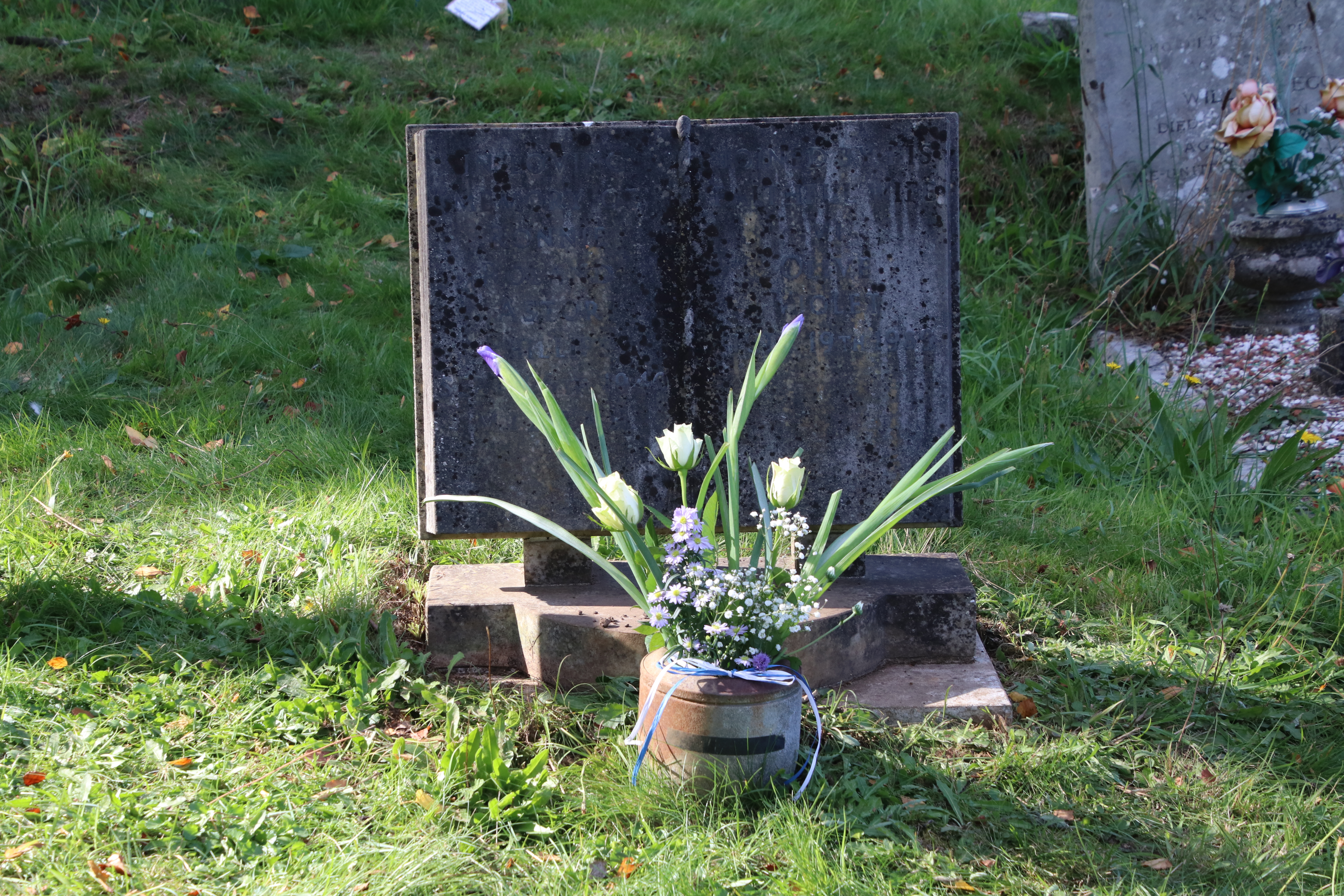
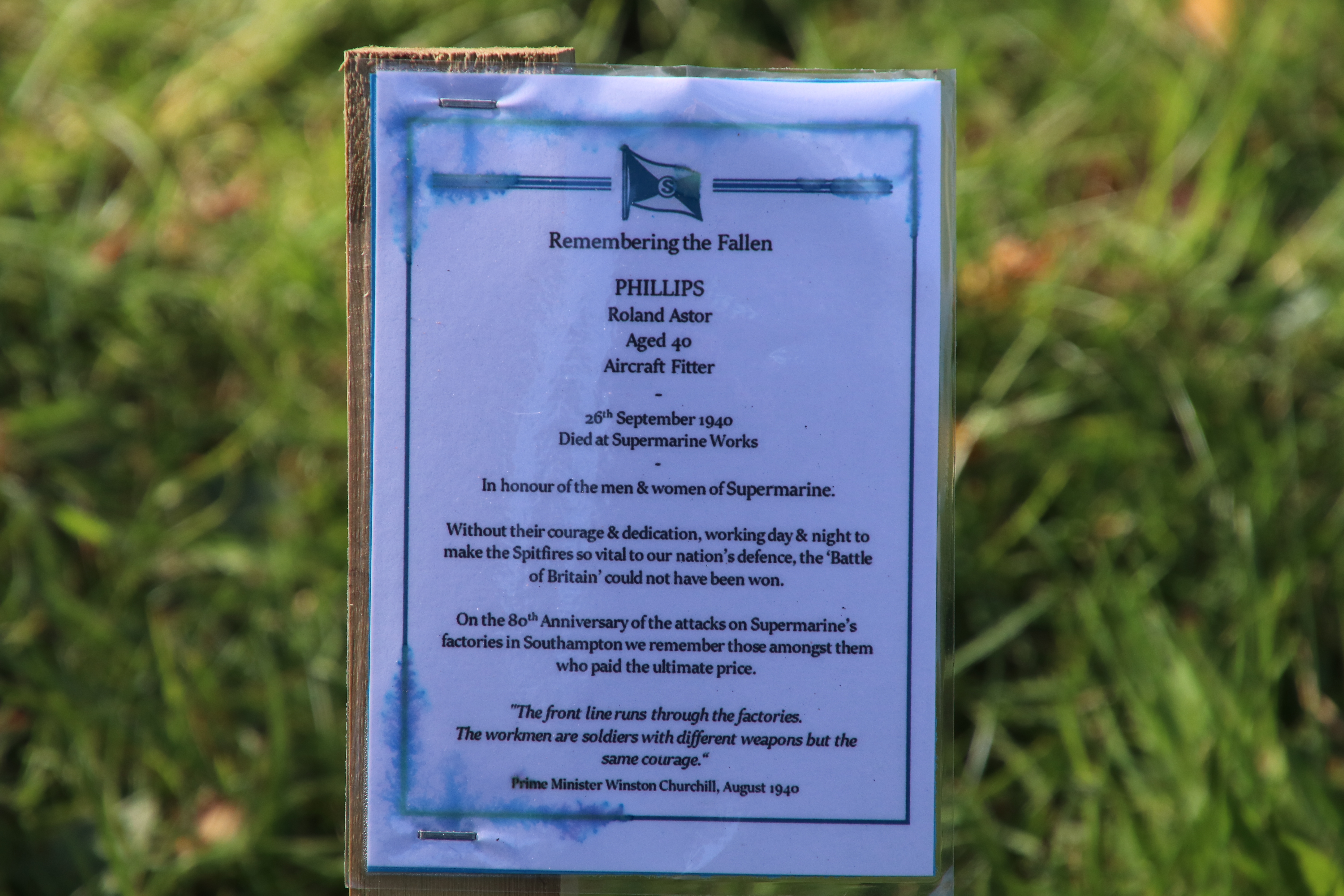
Image courtesy of The Supermariners and The Spitfire Makers Charitable Trust
Ronnie was an Aircraft Fitter at Supermarine. He was 40 years of age when he was killed in the bombing raid on the 26th September 1940. Ronnie is buried in Hollybrook Cemetery, Southampton.
Harry Arthur Pickett (d. Sept 1940) and Phyllis Emma Bovell
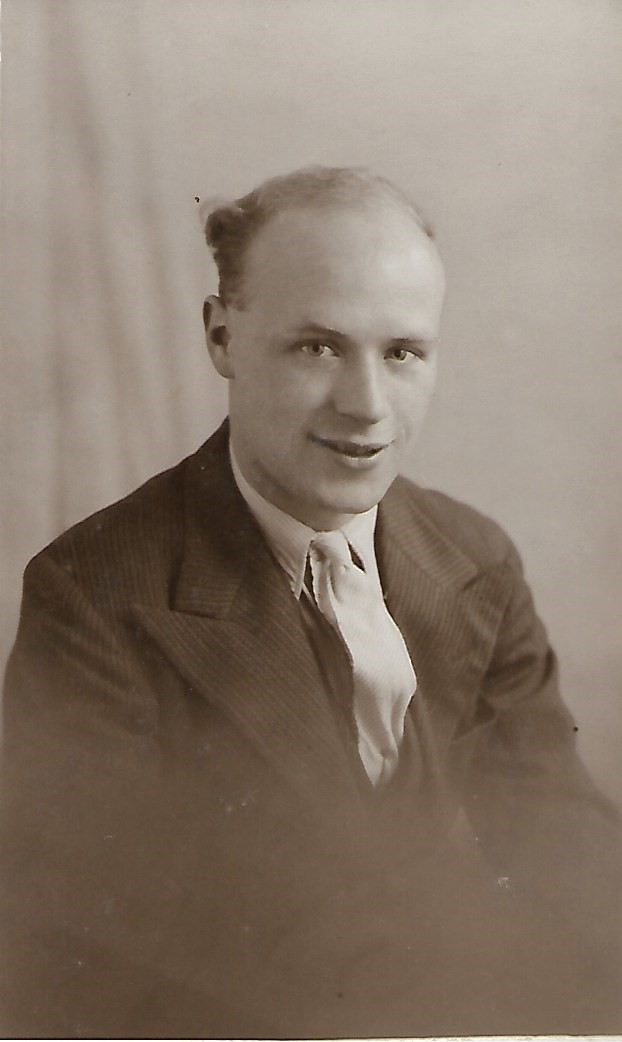
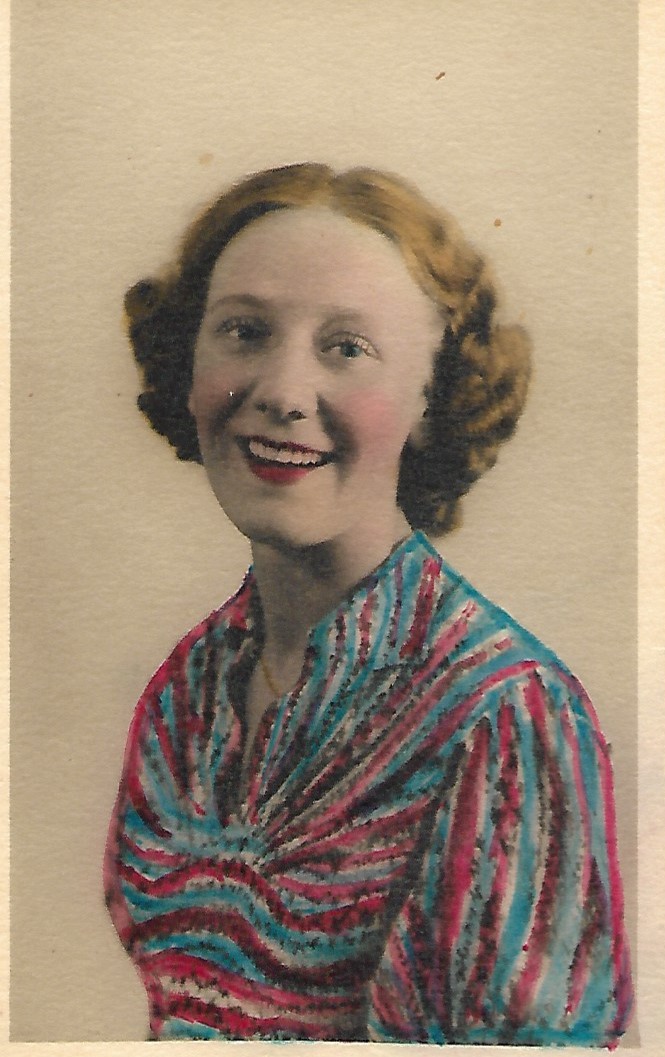
Harry and Phyllis in 1939 both aged 22. Images courtesy of Reg Ricketts
Harry and Phyllis had been married for 10 months when he was killed aged 23, in the bombing raid on the Woolston Works on 24th September 1940. Phyllis was not at work at the time of the bombing as she was on a later shift. Harry was an Aircraft Ground Engineer and Phyllis an engraver at the Works.
Harry followed his father into the work at Supermarine. Harry senior was an Aeronautical Engineer who worked on the Schneider Trophy winning aircraft.
On the reverse of the photo of Harry aged 22, Phyllis wrote a poignant message which begins – “My Darling Harry who was killed by enemy aircraft on September 24th, 1940.“……….. “So, bye bye darling “until we meet again”
Harry is buried in St Mary Extra Cemetery, Southampton.
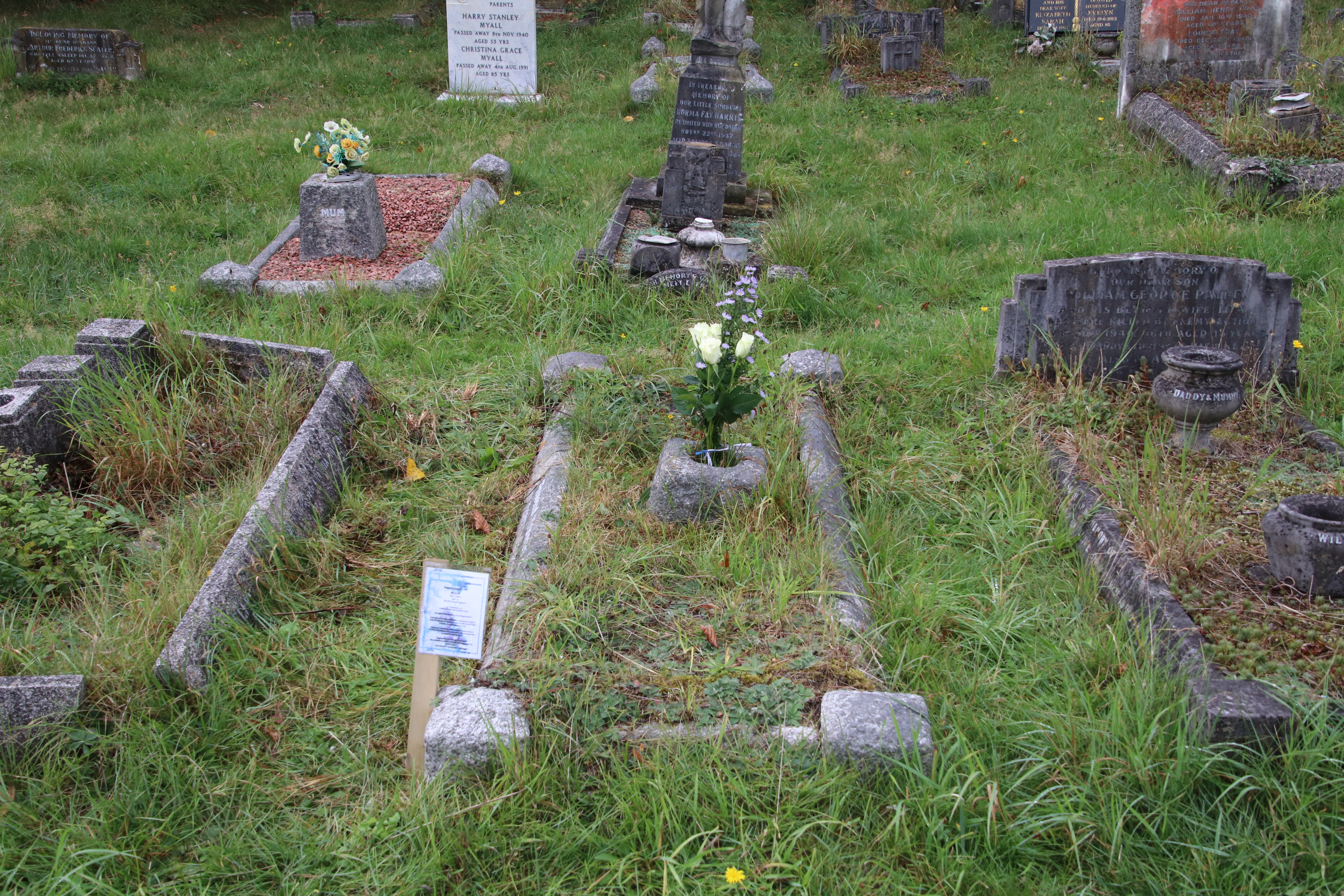
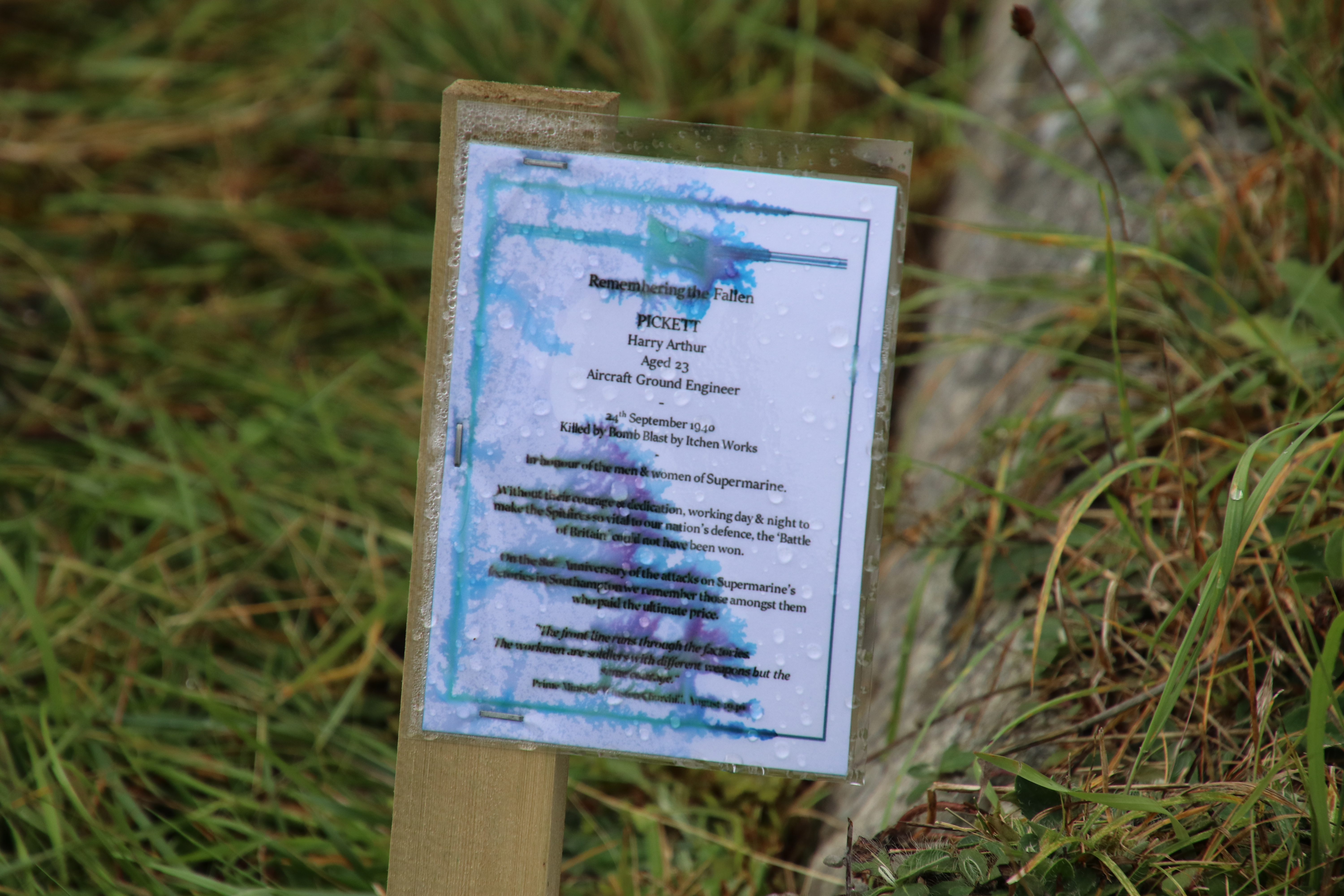
Image courtesy of The Supermariners and The Spitfire Makers Charitable Trust
Phyllis remarried in 1947 and had a son Reg who has kindly provided the images and information about Harry and Phyllis.
Harry Benjamin Pickett
An Aeronautical Engineer at Woolston who worked on the Schneider Trophy planes.
Charles John Patrick Pointer – 1910-1980
From his son-in-law Dennis Wood………
Charles John Patrick Pointer, (1910-1980), was an Aircraft Spray Painter for Supermarine at Woolston. He worked for Vickers from the mid-30s and then the British Hovercraft Corporation, until his retirement in 1970.
His family were bombed out of their home in Shirley during the early war years and were evacuated to Romsey from where Chas commuted from by Hants and Dorset bus and then by Southampton Corporation bus to the Floating Bridge.
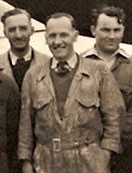

The photo shows Charles at the delivery of a post war Spitfire to the Belgian Air Force.
Herbert Edward Price (d. Sept 1940)
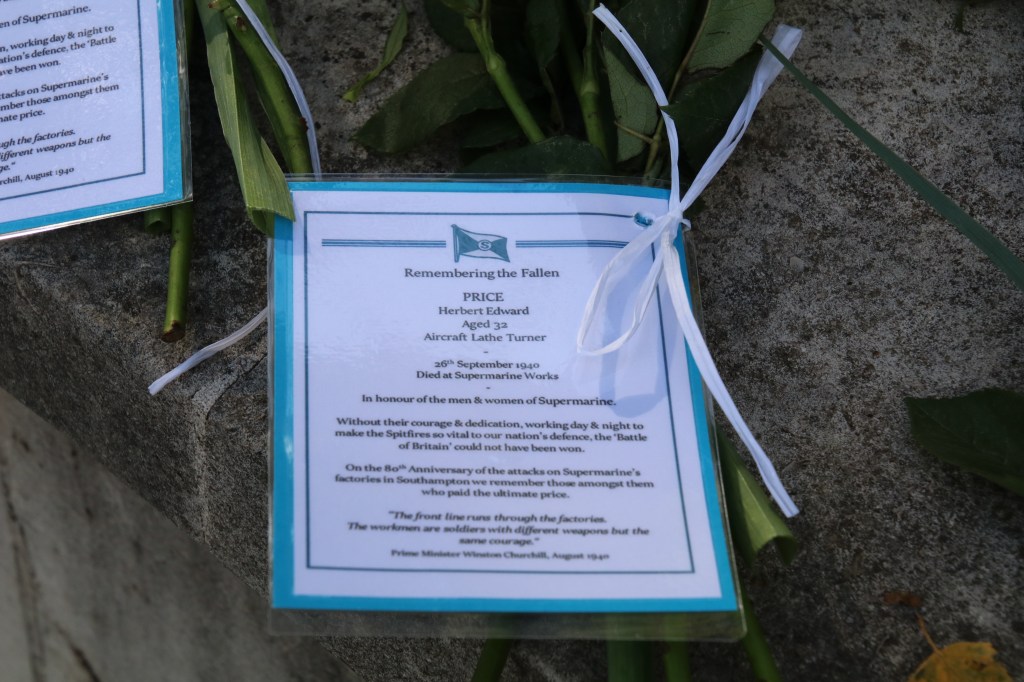
Image courtesy of The Supermariners and The Spitfire Makers Charitable Trust
Herbert was an Aircraft Lathe Turner. He was 32 years of age when he was killed in the bombing raid on 26th September 1940. Herbert is buried in St Mary Extra Cemetery, Southampton.
W Pritchard (d. 11 Sept 1940)
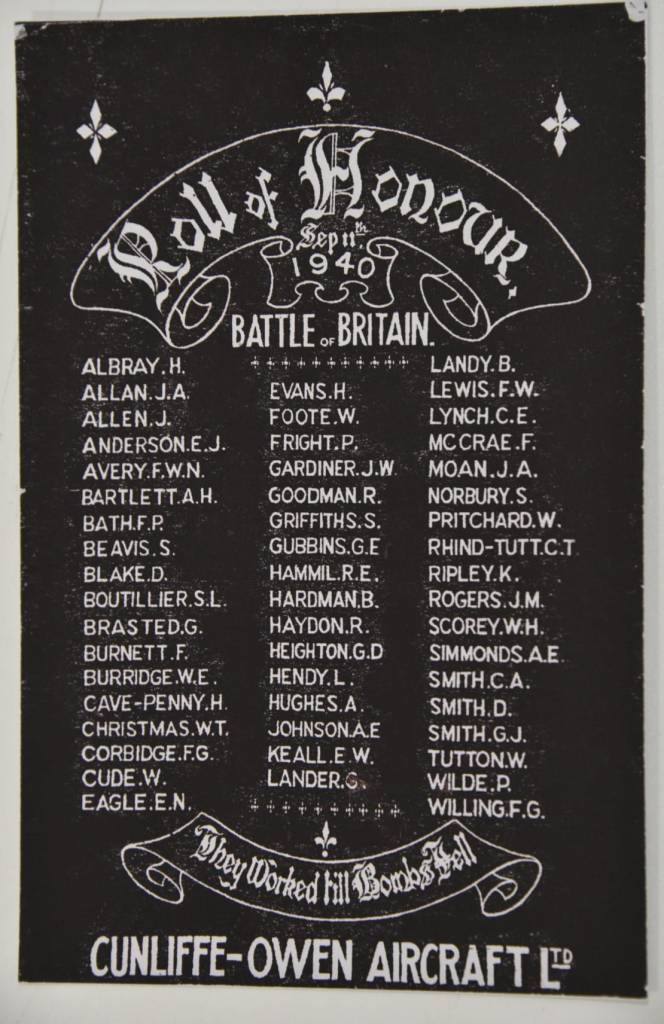
W Pritchard worked at the Cunliffe-Owen factory at Eastleigh Airport assembling Spitfires and was killed in the bombing raid on the factory on 11th September 1940.
Daisy Snelling and Reginald Ralph
What stopped the late afternoon traffic in St James’ Road, Shirley on 13th June, 1942?
After last week’s “Makeshift Factories”, this week’s programme, entitled “Makeshift Wedding” will include more fascinating detail about the wartime lives of Southampton’s Spitfire Makers. It’s available from Friday by following the link below.
https://www.bbc.co.uk/progra…/w13xtv79/broadcasts/upcoming
You are invited to a wedding… A double wedding… A ‘Spitfire Sweethearts’ wedding…

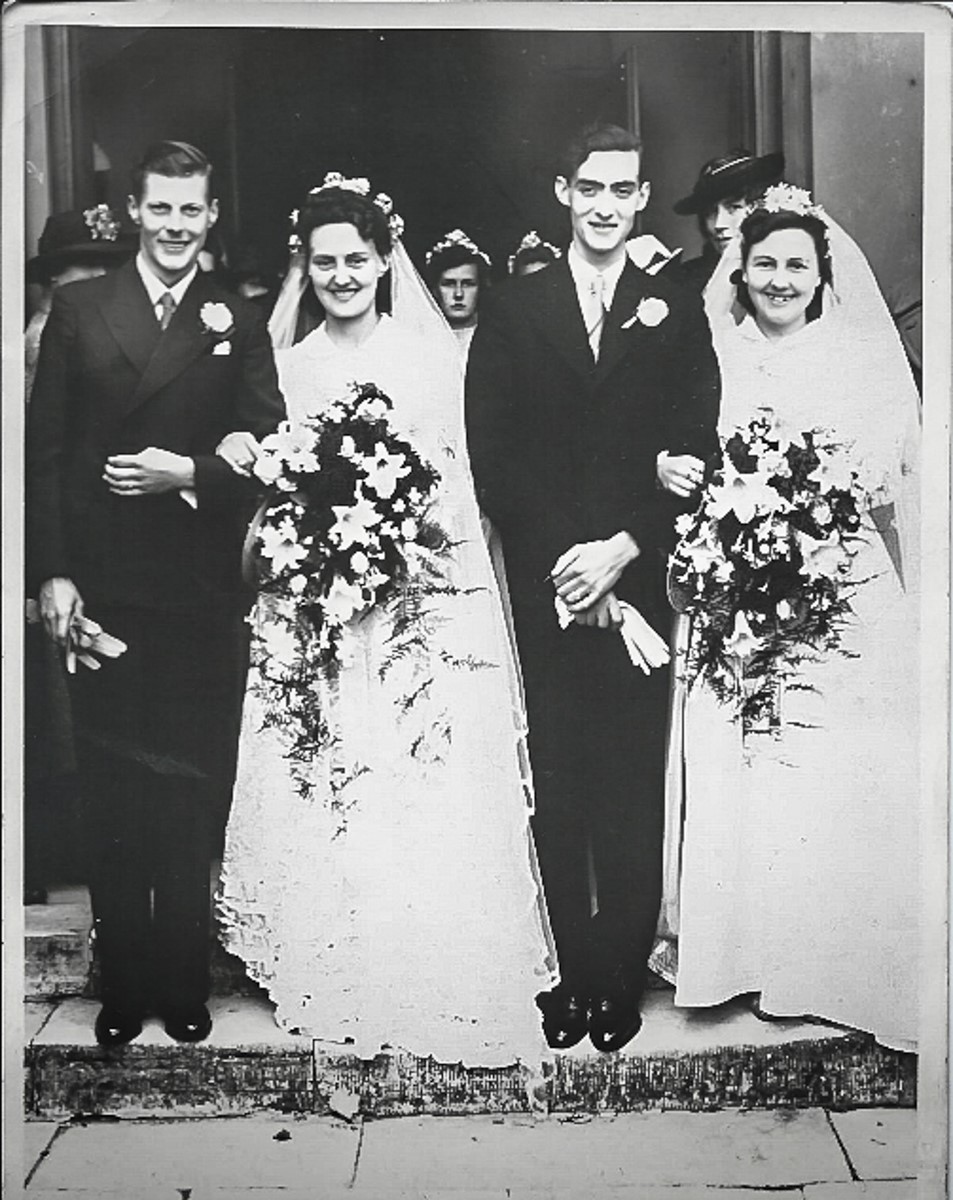

Dorothy Rawlings nee Roberts
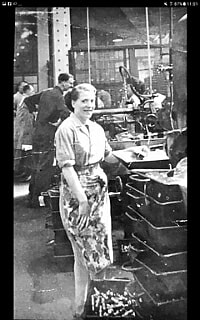
Photo and information courtesy of John Rawlings her son
Dorothy Rawlings nee Roberts – Born 1925. Worked from 1940-1945 in Hudsons Bikes in Witton Birmingham as Supermarine took over the factory due to the machinery it had which could bend metal. Dorothy bent the canopy spare, drilled it then spotwelded it. She worked 12 hour shifts from 6am to 6pm each day.
Edward Reeves (d. Sept 1940)
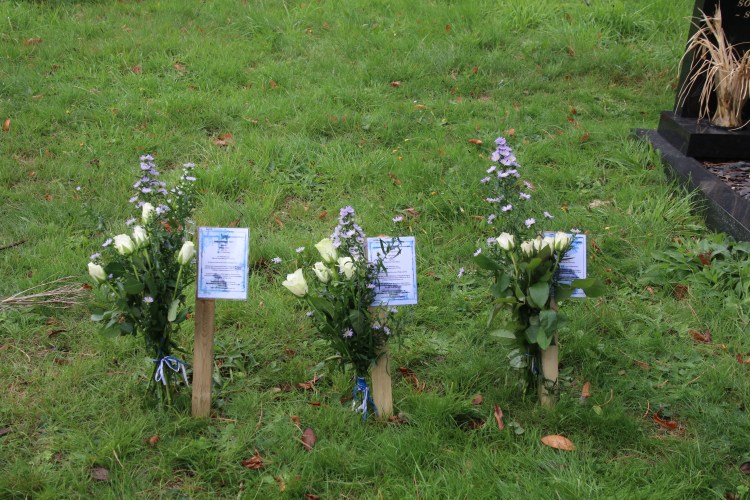
Image courtesy of The Supermariners and The Spitfire Makers Charitable Trust
Edward was an Aircraft Labourer at Supermarine. He was 40 years of age when he was killed in the bombing raid on 24th September 1940. Edward is buried in St Mary Extra Cemetery, Southampton.
C T Rhind-Tutt (d. 11 Sept 1940)
C T Rhind-Tutt worked at the Cunliffe-Owen factory at Eastleigh Airport assembling Spitfires and was killed in the bombing raid on the factory on 11th September 1940.
K Ripley (d. 11 Sept 1940)
K Ripley worked at the Cunliffe-Owen factory at Eastleigh Airport assembling Spitfires and was killed in the bombing raid on the factory on 11th September 1940.
J M Rogers (d. 11 Sept 1940)
J M Rogers worked at the Cunliffe-Owen factory at Eastleigh Airport assembling Spitfires and was killed in the bombing raid on the factory on 11th September 1940.
Harry Rule – Sun Engineering Company Ltd
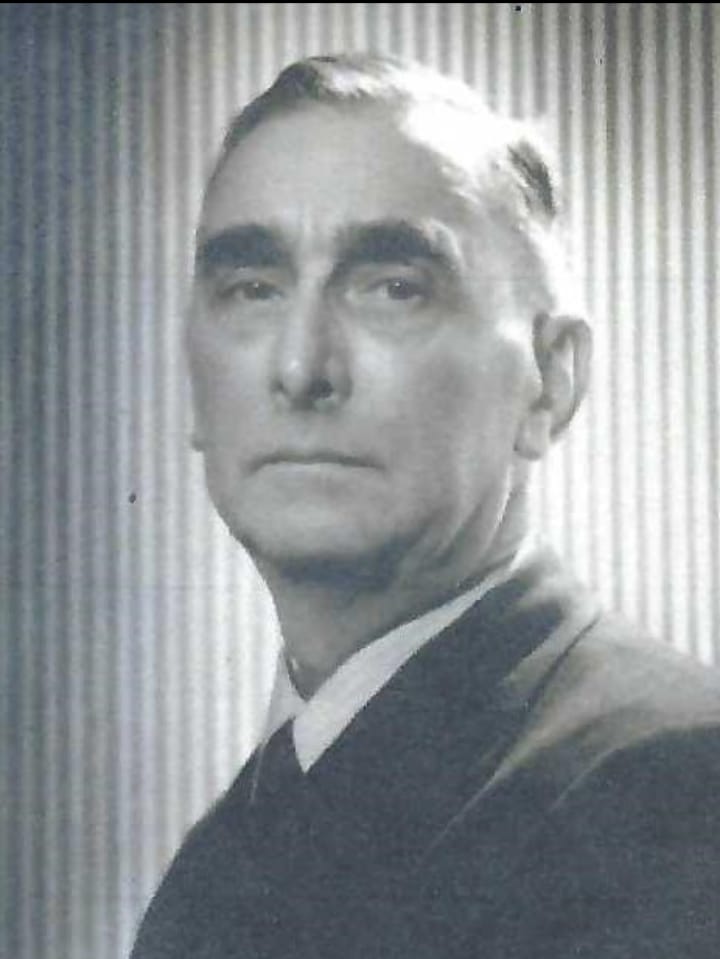
Coming from very poor beginnings, Harry Rule founded the very successful Sun Engineering Company Ltd in Newman Street, Shirley, Southampton, in the early 1920s. The company made and sold parts for household items such as bicycles, lawnmowers and washing mangles. During WWll, Harry turned Sun Engineering’s production to making machine engineered parts for Spitfires.
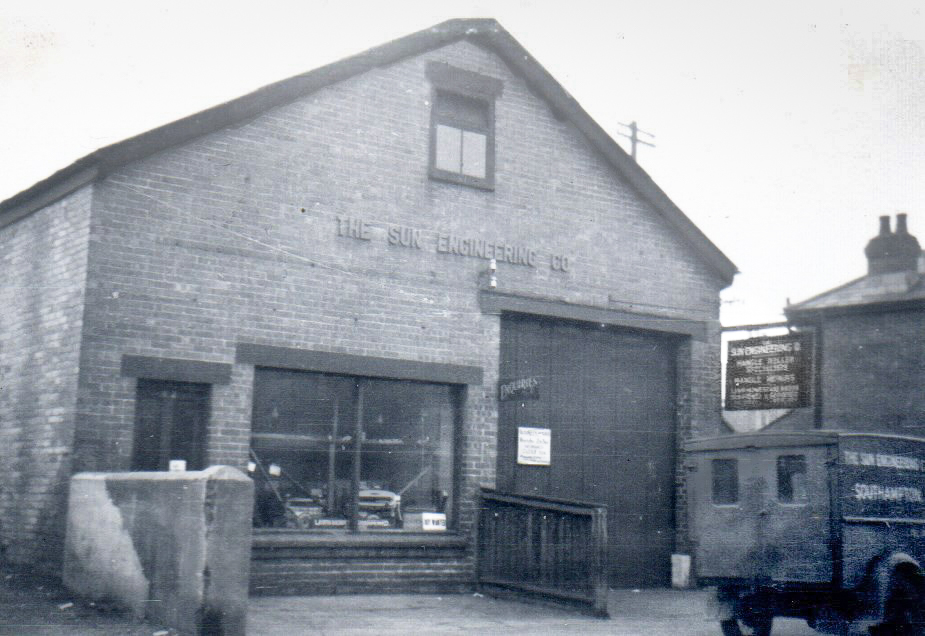
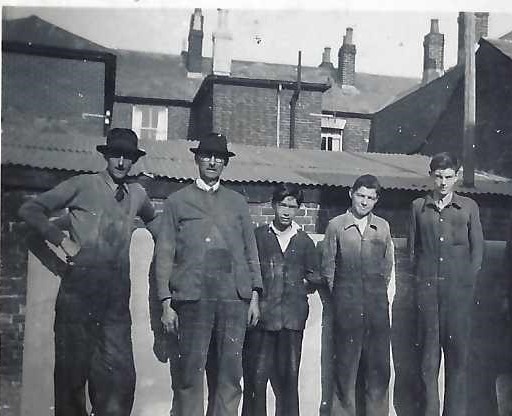
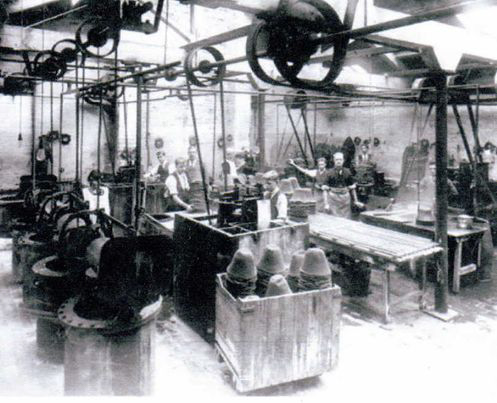
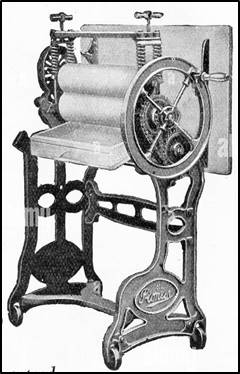
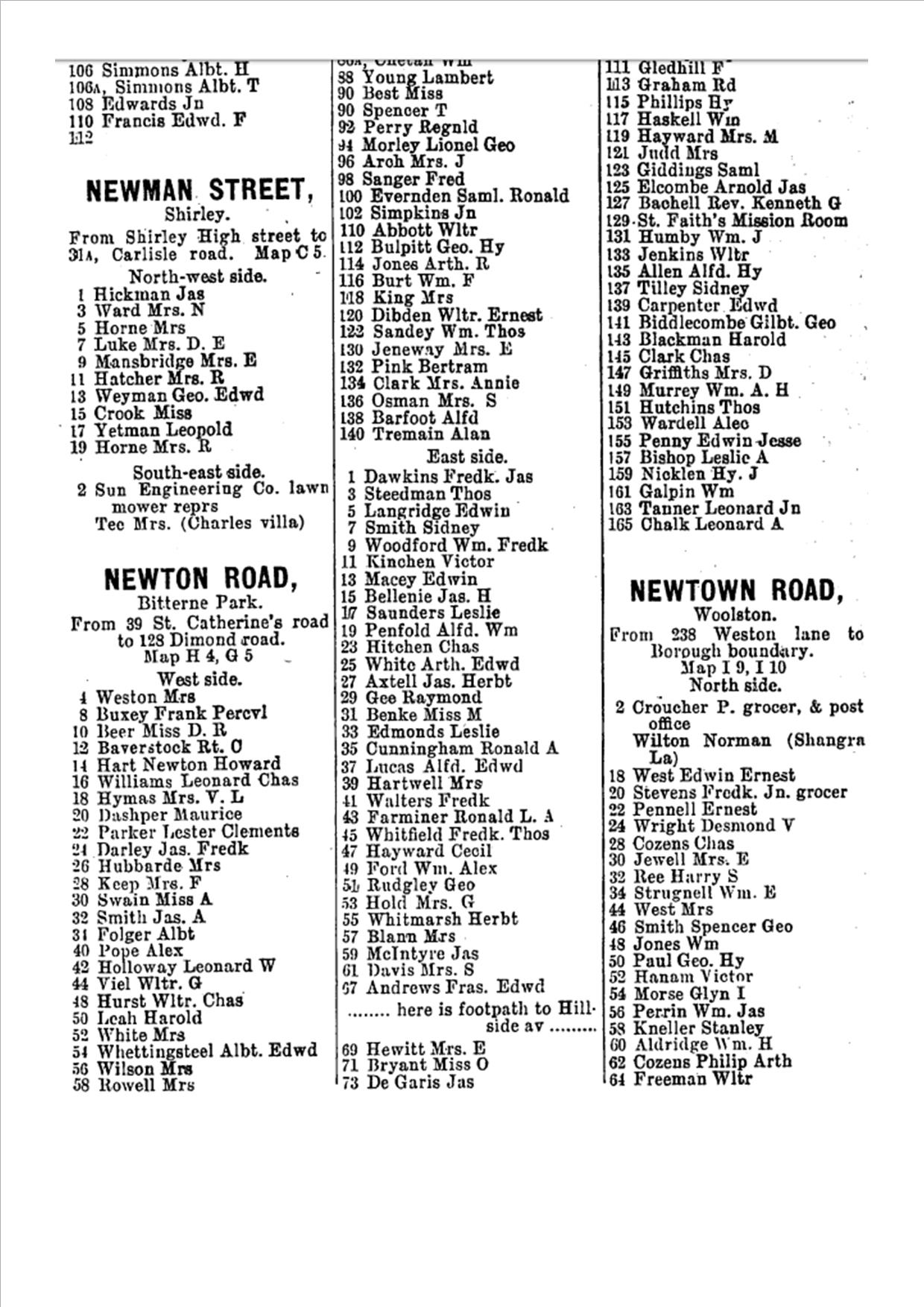
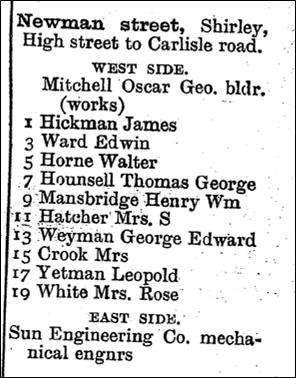
Images courtesy of David Rule and The Spitfire Makers Charitable Trust
Stella Rutter (Broughton)
Gilbert Ryder (d. Sept 1940)
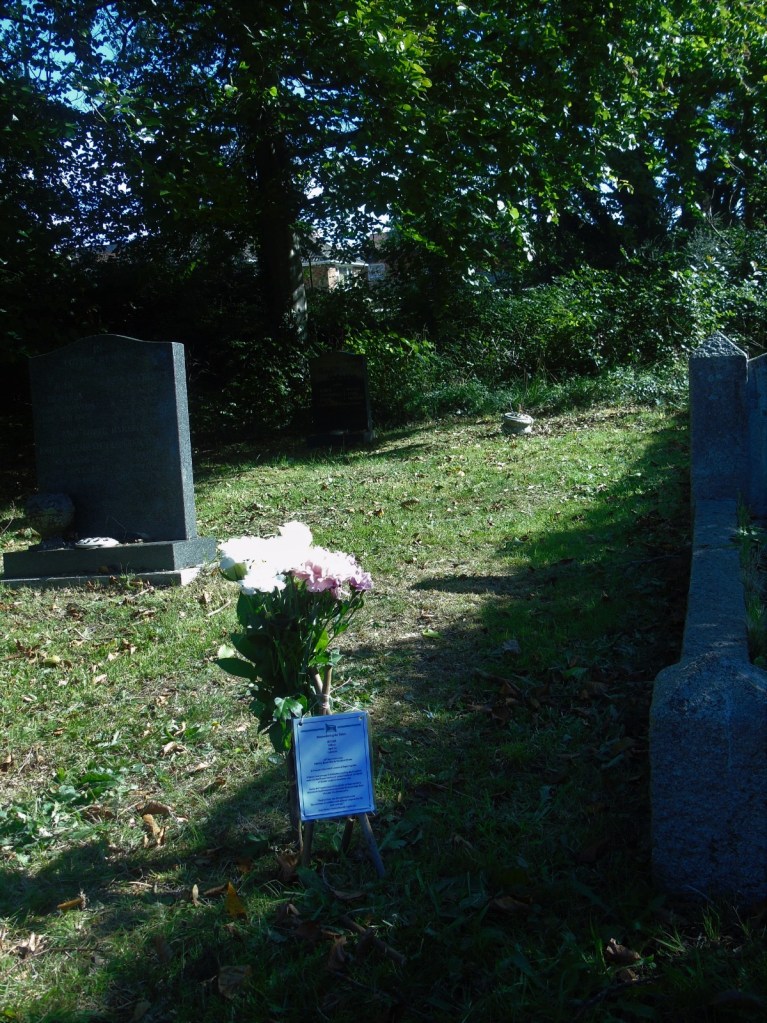
Image courtesy of The Supermariners and The Spitfire Makers Charitable Trust
Gilbert was a Labourer at Supermarine. He was 27 years of age when he was killed in the bombing raid on the 26th September 1940. Gilbert is buried in the graveyard of St Thomas’ Church, Fair Oak, Hampshire.
 The Spitfire Makers Charitable Trust